Algarve Atlas

Hidden Gems

27 hidden gems found

Suggest a hidden gem
Alcoutim◈ Villages

Alcoutim

Easy

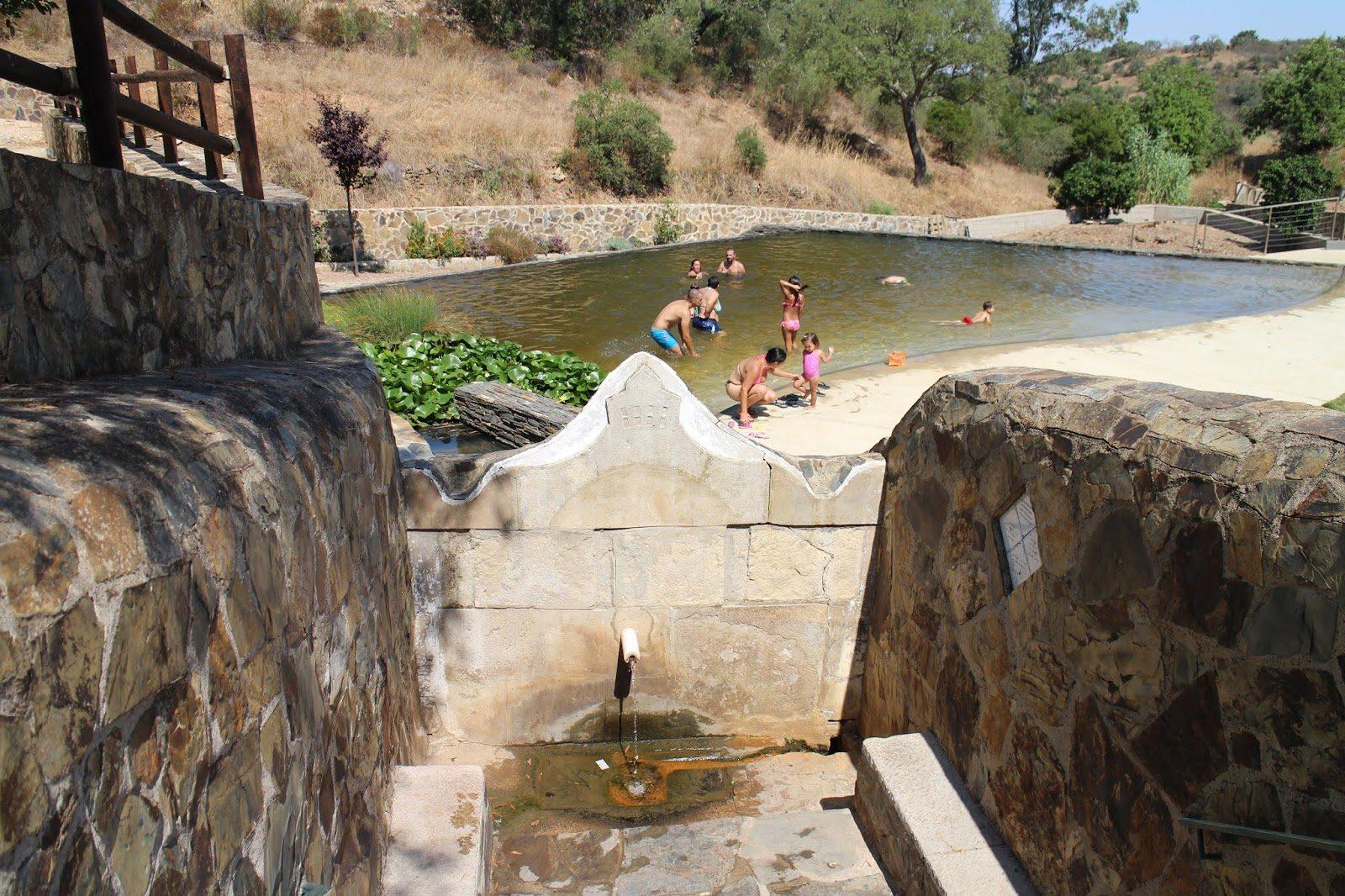
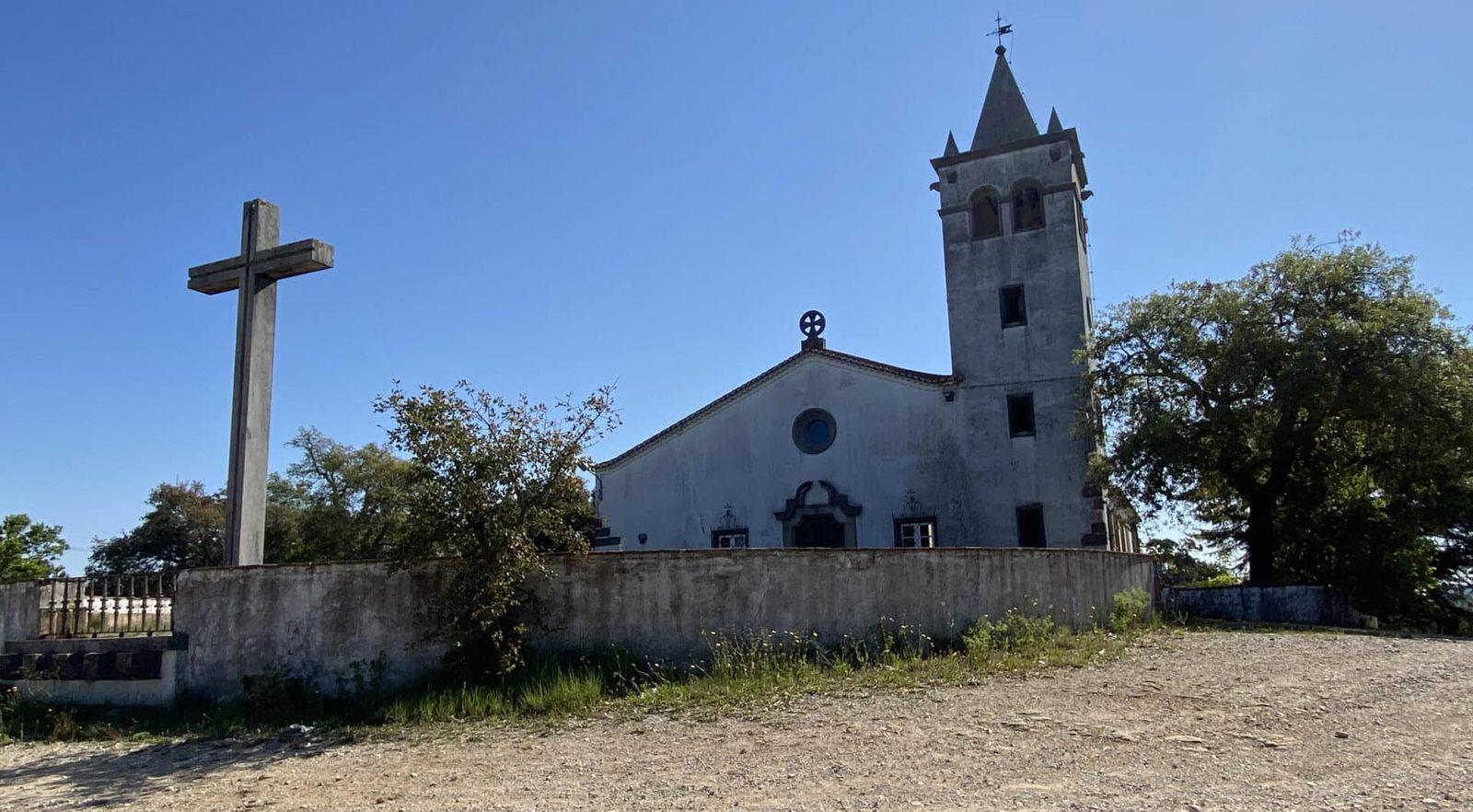
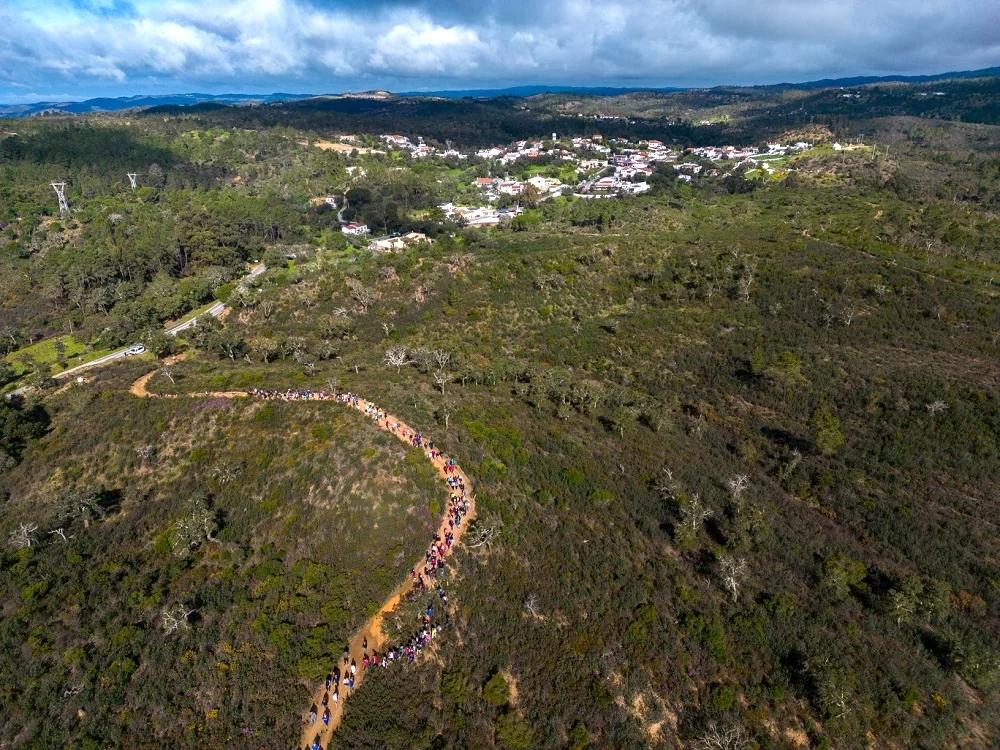
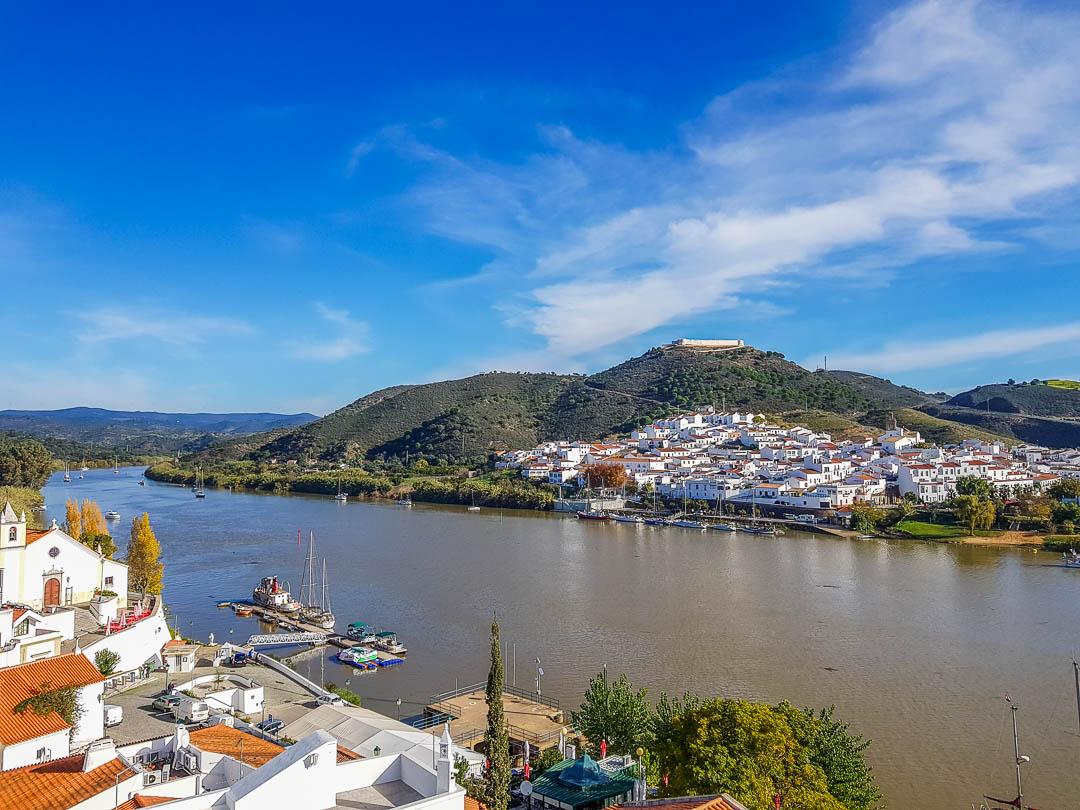
Alcoutim is a small town in the far north-east of the Algarve, on the bank of the Guadiana and directly opposite the Andalusian village of Sanlúcar de Guadiana. It grew up after the Treaty of Alcanizes (1297) made the river a border: King Dinis had the castle built around 1304, the year of the town charter, on a hill between the Guadiana and the Cadavais stream. In 1371 the kings of Portugal and Castile signed the Peace of Alcoutim here. From the castle, which houses the archaeology museum, winding streets lead down to the quay, in much the same spot as its medieval predecessor. Beside it, on a small rise, stands the parish church of São Salvador, from the first half of the 14th century. The Pego Fundo river beach is about 500 metres from the centre, and 1 km from town, above the river, are the ruins of Castelo Velho, an Islamic fort founded in the 8th or 9th century. The river still links the two banks. A boat crosses to Sanlúcar, and the zipline over the Guadiana starts on the Spanish side and lands in Alcoutim: 720 metres in under a minute.

Alcoutim·Spring
Aldeia da Pedralva◈ Villages

Aldeia da Pedralva

Easy

A restored village in the Vila do Bispo municipality, with a very unique and distinct vibe. Almost abandoned for years, it has been revitalized as a sustainable tourist village, maintaining traditional architecture and community spirit. The whitewashed houses, dirt streets, and rural surroundings create an atmosphere of authenticity and relaxation that attracts travelers seeking something different.

Vila do Bispo·All year
Alte◈ Villages

Alte

Easy

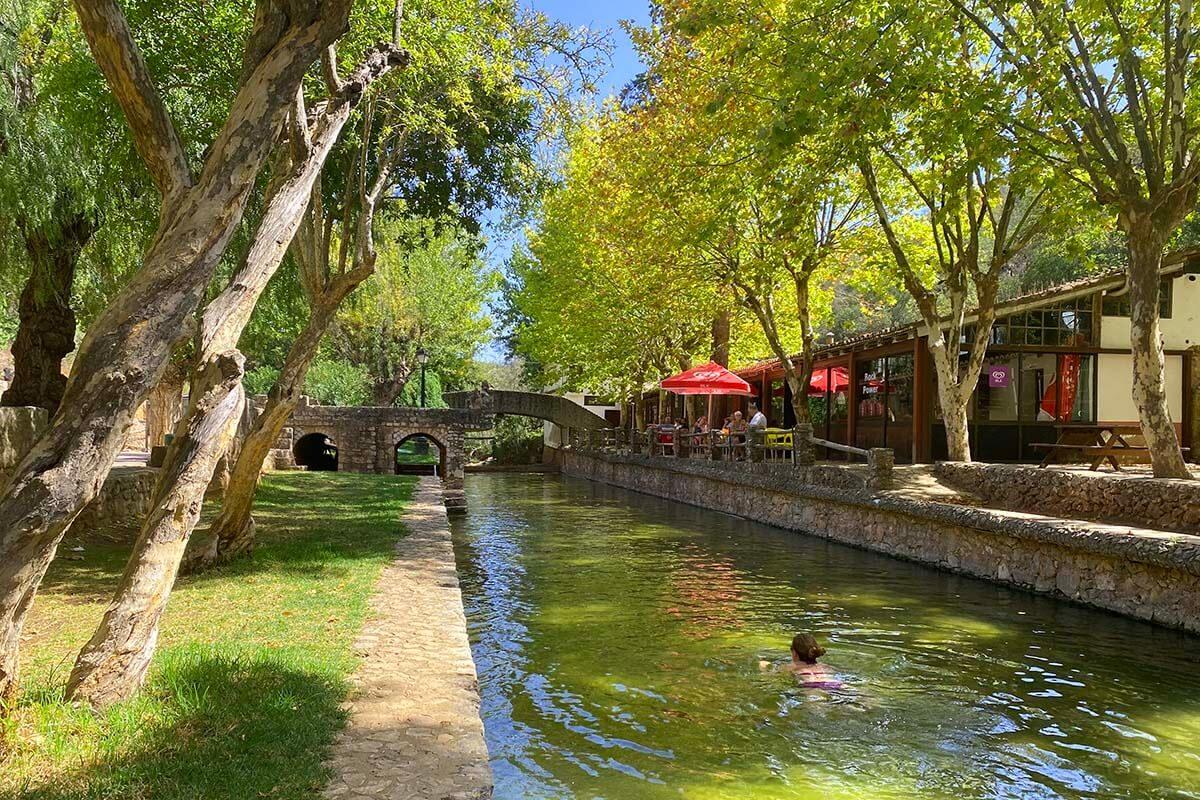
Alte is a village in the interior of Loulé that many rank among the prettiest and most traditional in Portugal. What defines it is its stream, which runs through the village from Fonte Grande down to Queda do Vigário, where the water drops 24 metres. Along the banks are vegetable plots, irrigation channels, weirs and old watermills, reminders of the days when wheat was ground here and esparto grass left to soak. The springs were also where the village washerwomen met. In the village itself, look for the chimneys, the flowers, the engravings on the walls and the cobbled streets. The parish church and the Pólo Museológico Cândido Guerreiro e Condes de Alte are worth a visit. Cândido Guerreiro, a poet born in Alte, is commemorated at Fonte Pequena. At Fonte Grande there is a natural swimming pool, picnic space and an open-air amphitheatre used for shows.

Loule·Spring
Ameixial◈ Villages

Ameixial

Easy

Ameixial is the northernmost village in Loulé municipality, up in the Serra do Caldeirão, with the EN2 road running through it. It is the seat of its parish and has the basics: a parish office, a cash machine, grocery shops and the church of Santo António. There is ancient heritage all around. The Pedra do Alagar dolmen is close to the village, and further on, by the Pé do Corso spring, stands the Beringel dolmen. The hamlet of Corte do Ouro still has round houses, and ruined windmills dot the hilltops. Walkers have three options. The PR1 is a very easy 4.6 km loop from the leisure park at the village entrance, dropping into the Vascãozinho valley and passing the motorhome park set up in a former cork factory. The PR2 heads for Corte de Ouro. And Link 6 of the Via Algarviana runs 21.9 km to near Barranco do Velho, through cork oak woods, rockrose scrub and strawberry trees. The village hosts the Walking Festival Ameixial.

Loule·Spring
Azinhal◈ Villages

Azinhal

Easy

Azinhal is a village close to Castro Marim and the seat of a hill parish of 68.7 square kilometres, the third largest in the municipality, with 479 residents in 2021. It is known for two things: its bread and pastries, good enough to draw people from elsewhere, and bobbin lace, still made by a handful of lacemakers who show their work at fairs and markets. Local tradition ties the origin of the lace to the Legend of Azinhal, a love story. The village has the church of Espírito Santo. To the east, on high ground, a windmill gives a sweeping view over the Guadiana. The Espaço Multiusos houses the Queijaria Experimental, which sells and offers tastings of fresh cheese and yogurt made from Algarve goat's milk. The GR15 Rota do Guadiana trail climbs to Azinhal on its stretch between Junqueira and Odeleite and meets the PR3 'Janelas do Guadiana' walk here. The village holds a monthly market.

Castro Marim·All year
Barranco do Velho◈ Villages

Barranco do Velho

Easy

Barranco do Velho is a village in the Serra do Caldeirão, in the parish of Salir, where the EN2 road crosses the Via Algarviana. This is cork oak country: cork still carries great weight in the local economy, and the Serra do Caldeirão forest producers' association has its headquarters here. The church dates from 1944. The village also has the Casa dos Cantoneiros (the old roadmenders' house), the Fonte Férrea spring and several drinking fountains and old irrigation tanks. At the fountains people still use 'cocharros', cups made of cork. For walkers it is an unavoidable stop. Sector 5 of the Via Algarviana ends here (29.5 km from Cachopo, graded very hard) and Sector 6 begins, running 14 km to Salir and passing early on the Faranhão windmill, with views from the hills to the coast. Link 6, coming from Ameixial, joins the route about 2 km away. For a short outing, the PR17 circles the village in 5.5 km, almost always in the shade of cork oaks. The village has a restaurant, a craft shop and a medronho brandy distillery.

Loule·Spring
Bordeira◈ Villages

Bordeira

Easy

Village and surrounding area with trails and access to very open landscapes on the western Algarve coast. Bordeira maintains the spirit of a rural Vicentine community, with few houses, silence, and an intimate relationship with the land. The paths leading from the village lead to landscapes of raw and expansive beauty, among fields, cliffs, and ocean.

Aljezur·Spring
Cabanas de Tavira◈ Villages

Cabanas de Tavira

Easy

A tranquil and welcoming village by Ria Formosa, ideal for those seeking a calmer and more authentic Algarve. The waterfront promenade along the lagoon is perfect for walking in the late afternoon, with views over the salt pans and the island in front. Cabanas maintains the spirit of a genuine coastal community, with good fish and seafood restaurants.

Tavira·All year
Cacela Velha◈ Villages

Cacela Velha

Easy

A tiny village perched on a white cliff with stunning views of the Ria Formosa and the ocean. The few whitewashed houses, the medieval church, and the fortress create a poetic scene untouched by time. Below, the deserted beach stretches for kilometers between the lagoon and the sea, accessible only by boat when the tide rises.

Vila Real de Santo Antonio·All year
Cachopo◈ Villages

Cachopo

Easy

The northernmost and largest parish of Tavira (197.56 km2), located in the Serra do Caldeirao. A remote and traditional village with about 1000 permanent residents. Known for its cork oak groves, the annual Sausage Fair (January/February), and strong rural traditions: wool weaving, embroidered lace, honey, cork, wool, and cheese. The typical architecture includes single-story houses with schist walls, whitewashed facades, colorful railings, and Algarvean chimneys. The Via Algarviana passes through the village (Sector 5 starts here).

Tavira·Spring
Caldas de Monchique◈ Villages

Caldas de Monchique

Easy

A small thermal and green refuge nestled in a valley of the Monchique mountains, where thermal waters of 32 degrees have been bubbling up from the earth since Roman times. The thermal complex and romantic gardens create an atmosphere of timeless tranquility, surrounded by dense forests of eucalyptus and cork oaks. The pure mountain air and the sound of flowing water make this place a balm for escaping the coast.

Monchique·All year
Cortelha◈ Villages

Cortelha

Easy

Cortelha is a village in the Serra do Caldeirão, in the parish of Salir, Loulé. It sits on the EN2 road a few kilometres north of Barranco do Velho. Cork is the main source of income for the people who live here and the emblem of these hills. Cork is also what makes the village known at Christmas. At Christmas the residents build a nativity scene of about 70 square metres in the Largo da Associação, using what the hills provide: cork, cane, moss, river stones, rockrose, lavender, strawberry tree and rye straw. It has a windmill and a watermill, and the offerings are local: honey, medronho brandy, almonds and carob. The tradition goes back to 2004, the year Cortelha won the competition for nativity scenes in Algarve villages. The nativity stays up until 6 January, and on the night of 24 December the village lights its Christmas bonfire, the Madeiro.

Loule·Winter
Estoi◈ Villages

Estoi

Easy

A small locality with much more character than most imagine, Estoi surprises with the magnificent Palace of Estoi, a rococo palace converted into a guesthouse with dream gardens. The central square, the church, and the quiet streets convey the serenity of rural Algarve life. Nearby, the Roman ruins of Milreu complete a visit rich in history and beauty.

Faro·Spring
Farol◈ Villages

Farol

Easy

The small settlement of Farol, at the western tip of Ilha da Culatra, has a very unique and distinct charm. Grouped around the historic lighthouse, this collection of holiday homes and fishermen's residences creates a unique atmosphere between rustic and cosmopolitan. The beach in front is superb, and the waters are among the cleanest in the Algarve.

Faro·Summer
Ferragudo◈ Villages

Ferragudo

Easy

A charming fishing village on the opposite bank of Portimão, Ferragudo maintains its own identity and a relaxed atmosphere that contrasts with the busier neighbor. The cobbled streets, colorful houses, and the central square overlooking the Arade River create a typically Algarve setting. The Castle of São João do Arade dominates the landscape by the estuary.

Lagoa·All year
Foz de Odeleite◈ Villages

Foz de Odeleite

Easy

Foz de Odeleite is a small village on the bank of the Guadiana, at the point where the Odeleite stream flows into the river. A little upstream the Odeleite has already merged with the Foupana, and the two arrive here as one. The village faces the water. It has a floating pier, first installed in the early 1990s and replaced in 2019, where the tour boats that work the Guadiana tie up. Arriving by land you will find a cheese dairy and a restaurant known for its lamprey and eel dishes. It is also a stop on the GR15 Rota do Guadiana trail: the stretch from Odeleite passes the Pernadas watermill, reaches Foz and carries on north through Corte das Donas to Álamo, in the municipality of Alcoutim.

Castro Marim·Spring
Furnazinhas◈ Villages

Furnazinhas

Moderate

Furnazinhas is a hill village in the parish of Odeleite, with narrow streets and whitewashed houses, and very well kept. It is where the second sector of the Via Algarviana ends: it leaves Balurcos, crosses the Foupana stream, one of the best preserved in the Algarve, and reaches the village after 14.3 km. Around it are ruined windmills and the remains of an old copper mine, the Caieiras mine. You can still see the shaft and the spoil heaps, flecked with green malachite; the gallery entrance is sealed. The PR9 'Mina e Albufeira' is a 7.7 km loop from the village centre that passes the mine, climbs Cerro Pelado at 231 metres for a view over the Odeleite reservoir, and drops down to the stream. There is also the PR10 'Barrancos Furnazinhas', which links to the Via Algarviana. In April the village hosts the Feira do Campo, a country fair with basketry, lace, woven palm work, honey, dried fruit and traditional sweets.

Castro Marim·Spring
Fuzeta◈ Villages

Fuzeta

Easy

A small, laid-back coastal village in the Algarve's eastern region, with a local atmosphere and authenticity that escape mass tourism. The fishing pier, narrow streets, and traditional cafés give it a simple and genuine charm. From here, boats depart for Ilha da Fuseta, home to one of the most beautiful and tranquil beaches in Ria Formosa.

Olhao·All year
1 / 2