 Markets
Sep 28until 27 Dec
Markets of Olhão
Olhão

Cubist town, fish markets and the islands of Ria Formosa. Outstanding gastronomy.
18 events found
MarketsOlhão
 Markets
Olhão
 Exhibitions
Olhão
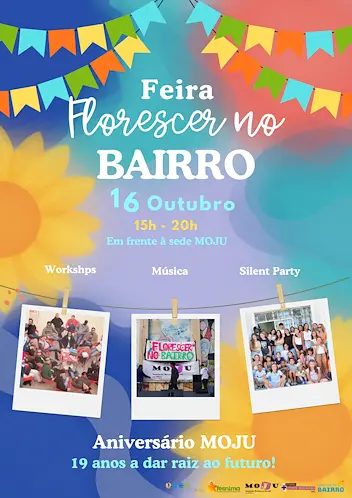
 Markets
Largo da Feira, Olhão
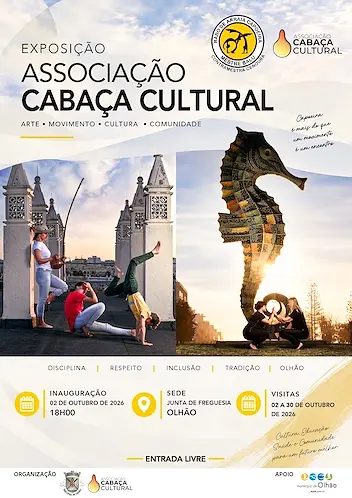 Exhibitions
Olhão
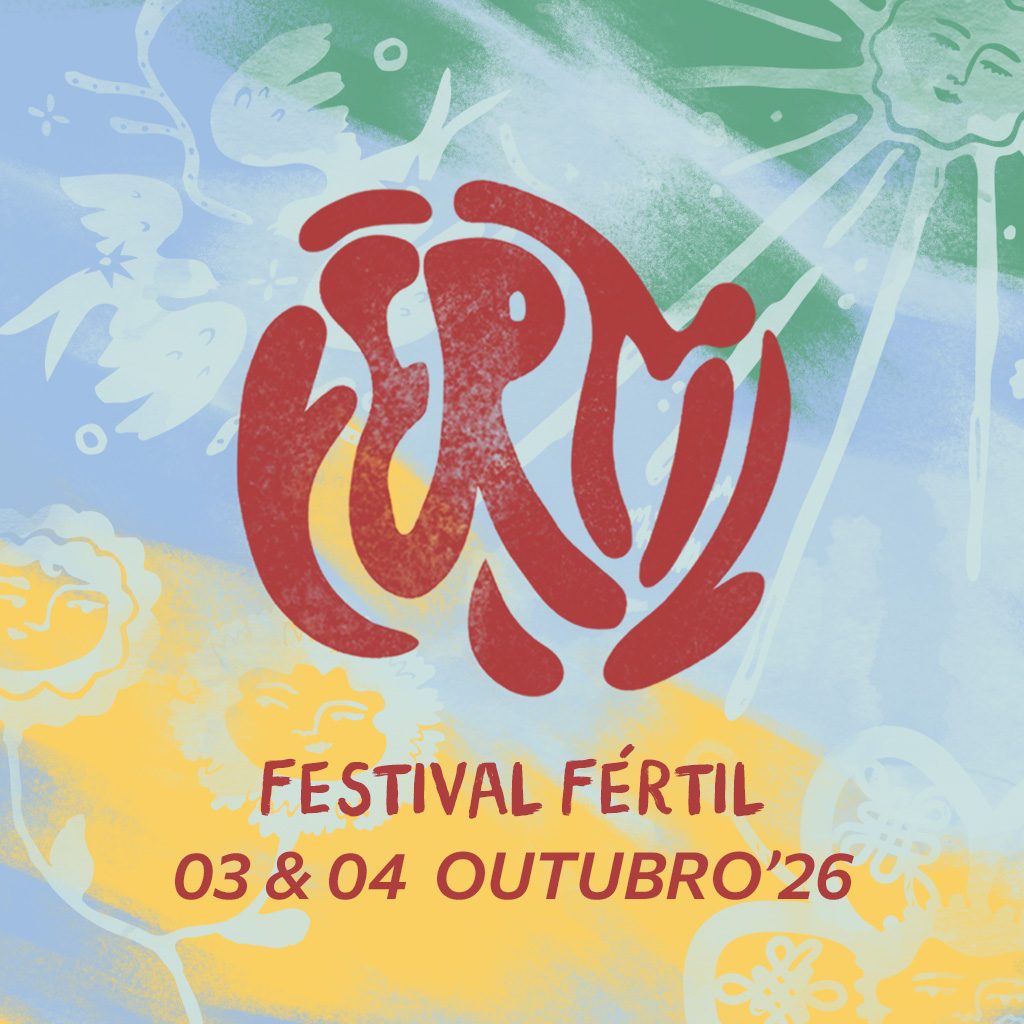 FestivalsFree
Parque Ribeirinho Poente, Olhão
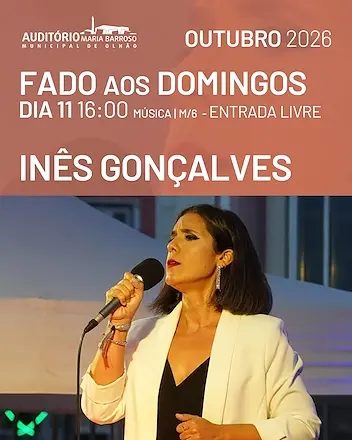
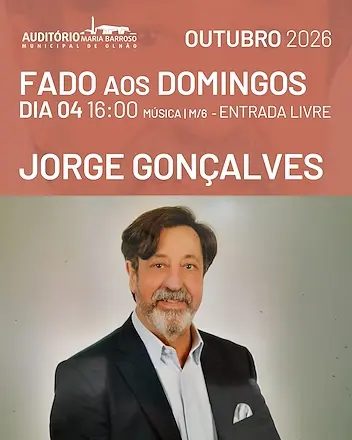 Music
MusicOlhão
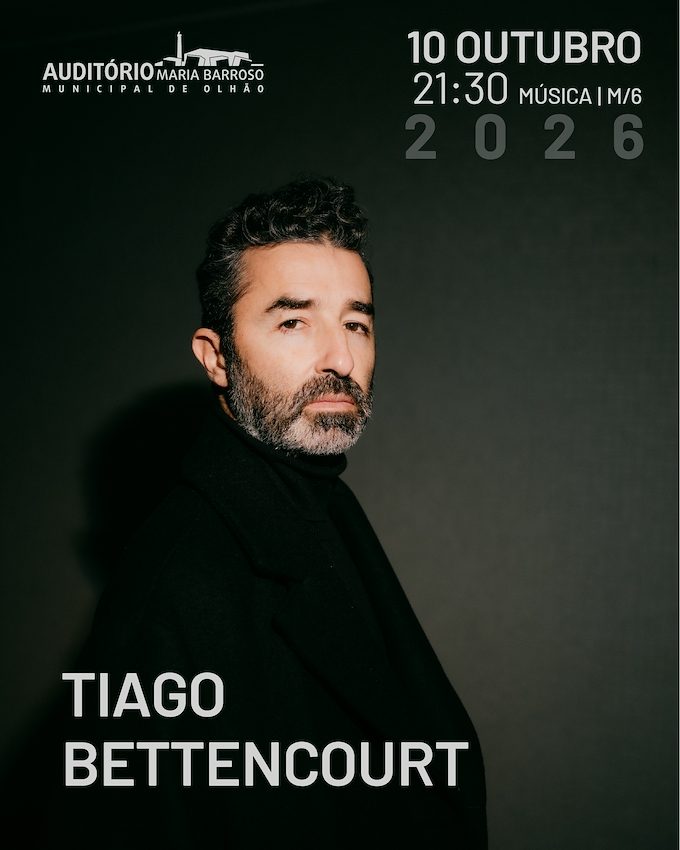 MusicPlateia: €18 | Balcão: 15
Auditório Municipal Maria Barroso Olhão, Olhão
 Music
MusicOlhão
 Conferences€99.00
Real Marina Hotel & Spa, Av. 5 de Outubro, 8700-307 Olhão, Olhão
 Markets
Olhão
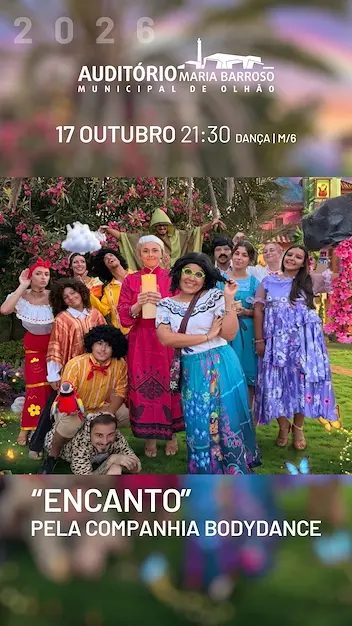 Theatre
Olhão
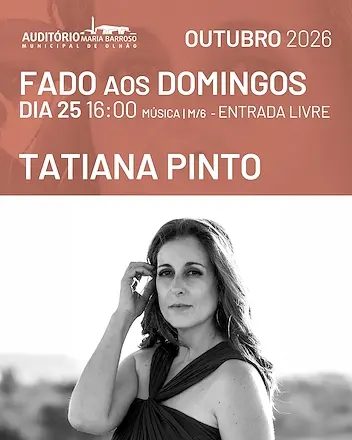
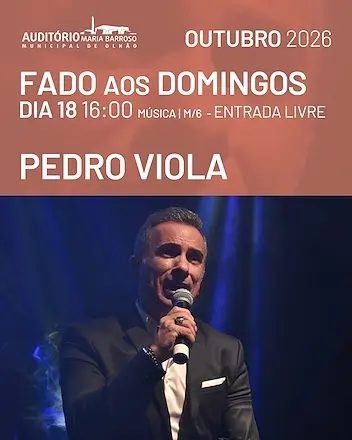 Music
MusicOlhão
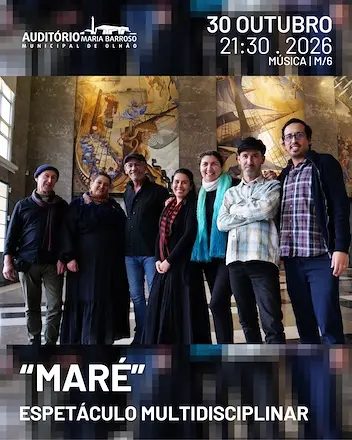
 Music
MusicOlhão
 Music
MusicOlhão
 Literature€15.00
Estação CP de Olhão, Olhão
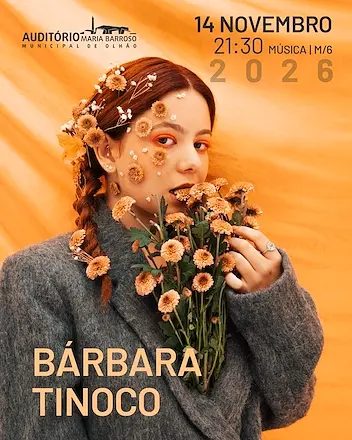 Music
MusicOlhão
 Theatre
Olhão
What's on in Olhão: the Festival do Marisco at Jardim Pescador Olhanense in August, concerts at the Auditório Municipal Maria Barroso and ferry trips to the Ria Formosa islands — between the twin 1916 fish-and-produce markets, the cubist-style Old Town of rooftop terraces and lookouts, and the Caíque Bom Sucesso replica moored opposite the pier. Seasonal highlights: Festival do Marisco from 10 to 15 August 2026, headlined by Matias Damásio, Calema, Mariza and Daniela Mercury; and the 26th edition of the Al-Mutamid Music Festival running at the Auditorium. Updated daily with what's happening today, this weekend and in the weeks ahead.
Twin Markets (Mercados Municipais)
Two pavilions opened in 1916 on the waterfront — one for fish and shellfish, the other for produce, fruit, cheese, cured meats and regional sweets. Each building rests on 88 wooden stakes joined by brick arches, with a four-pitched roof and four glazed cylindrical corner towers. Saturday morning is the peak day of the week.
Igreja Matriz de Nossa Senhora do Rosário
Baroque/Rococo parish church built between 1698 and 1715, with one of the most striking Rococo façades in the Algarve — irregular triangular crown topped by a royal crown and two angels. Its main retable is the tallest in the region. Behind the church, the Capela de Nossa Senhora dos Aflitos is a theatrical Baroque construction with a loggia.
Caíque Bom Sucesso
A 2002 replica of the small fishing caique on which 17 Olhão fishermen sailed to Rio de Janeiro in 1808 to inform exiled Prince Regent João VI that the French had been driven out. In return, Olhão received the title 'Vila da Restauração'. Moored in front of the markets, offering guided tours and Ria Formosa trips.
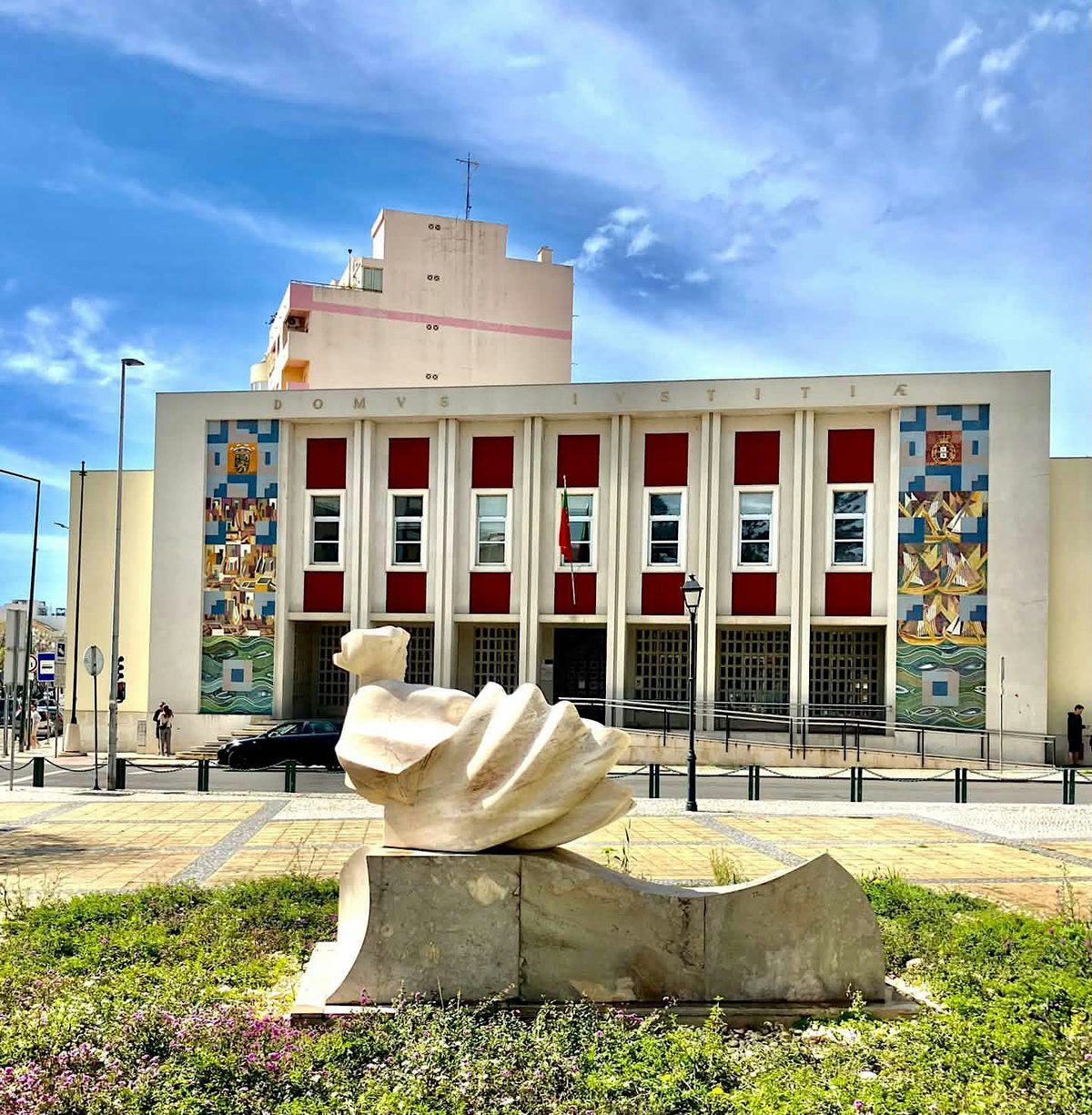
Auditório Municipal Maria Barroso
Municipal hall with 416 seats, regular music, theatre and dance programming and a resident technical team. Hosts the annual Al-Mutamid Music Festival (26th edition in 2026). Recognised as one of the leading cultural venues in the Algarve.
Cubist Old Town
An 18th–19th-century urban core built under strong North African influence — whitewashed cubes with cubic chimneys, geometric balustrades, rooftop terraces (açoteias) and lookouts (mirantes) once used to spot returning fishing boats. Narrow labyrinthine streets and dead-end alleys. The Algarve's 'cubist city'.
Cais Sotavento (ferry pier)
At the end of Av. 5 de Outubro, next to the markets, ferries leave for Ilha da Armona, Ilha da Culatra and Ilha do Farol. May–September: hourly to Armona (crossing ~15 min) and several daily to Culatra/Farol. The rest of the year: reduced schedule.
Ilha da Armona / Culatra / Farol
The three barrier islands of the Ria Formosa that belong to Olhão. Armona is the largest, with a village by the pier and a long beach (naturism tolerated on the southern stretch). Culatra has an active fishing community. Farol holds the Cabo de Santa Maria lighthouse (1851) and the best sunset light.
Fuseta
Authentic fishing village east of Olhão — whitewashed houses, the lagoon in front, and its own barrier island five minutes away by boat. Quieter and cheaper than Olhão, perfect for a shellfish lunch with a lagoon view.