
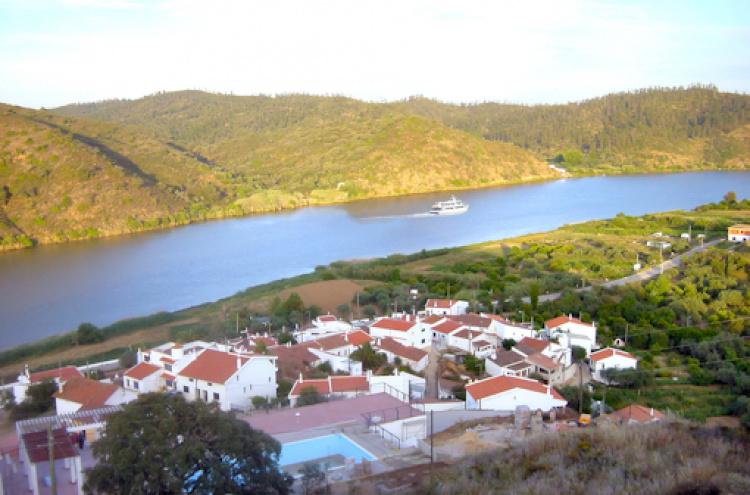
Guerreiros do Rio
Local tips
The Museu do Rio opens Tuesday to Saturday, except public holidays: 9:00 to 13:00 and 14:00 to 17:00 from 1 October to 30 April, and 10:00 to 13:00 and 14:00 to 18:00 from 1 May to 30 September. Tickets cost €3.10 and are valid for a week, including the archaeology museum in Alcoutim Castle. The Roman dam at Álamo is just to the south and the Montinho das Laranjeiras ruins to the north.
Location
What's happening nearby
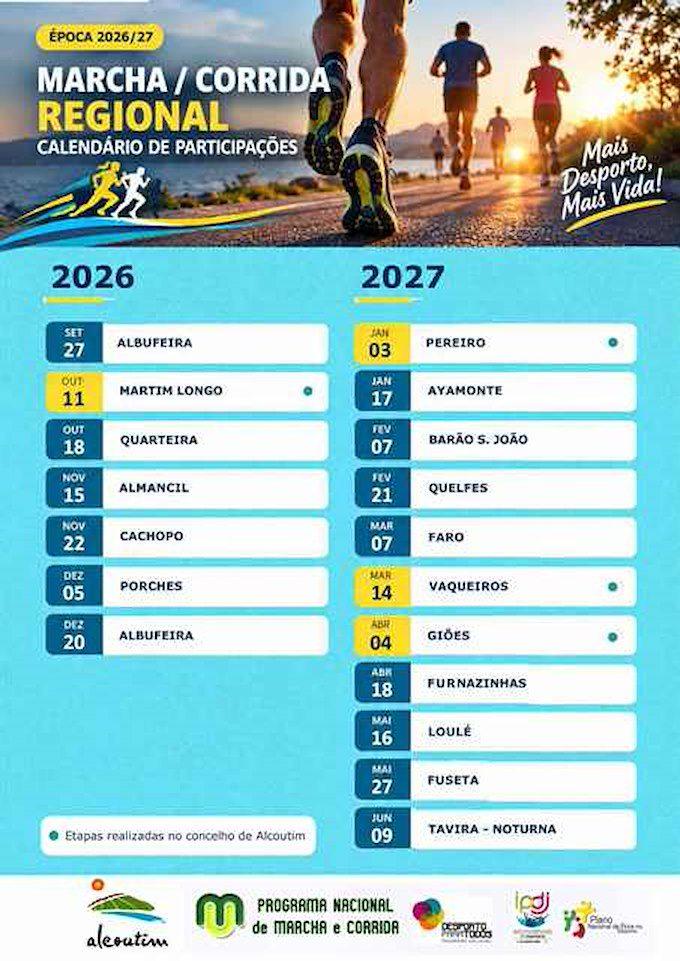
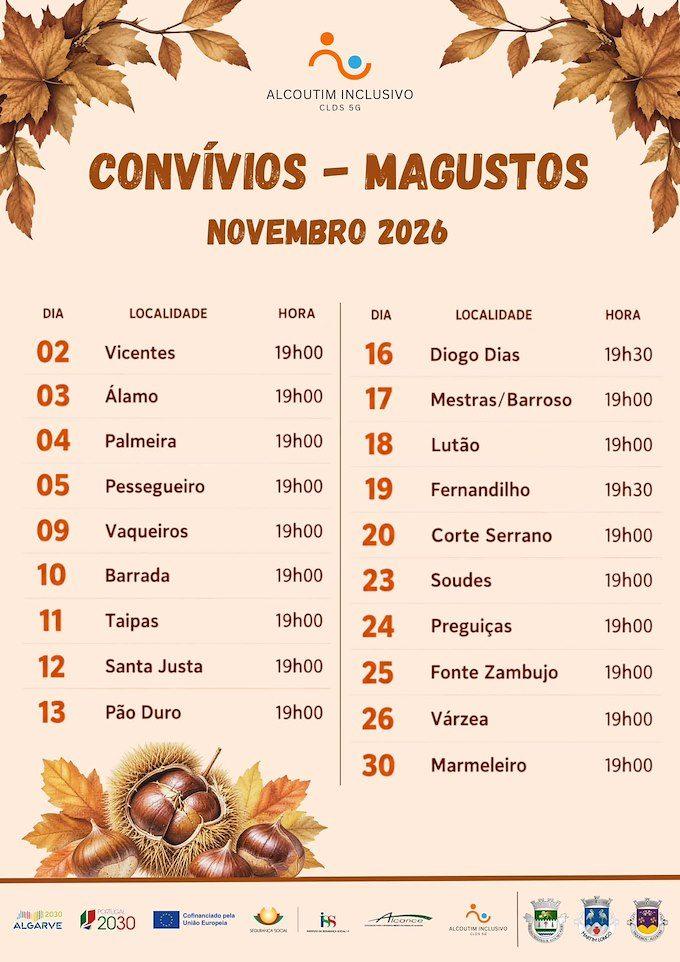
Upcoming events in the area
Where to eat nearby
Top restaurants in the area


Reviews
Discover more hidden treasures
More options near Alcoutim
Alcoutim
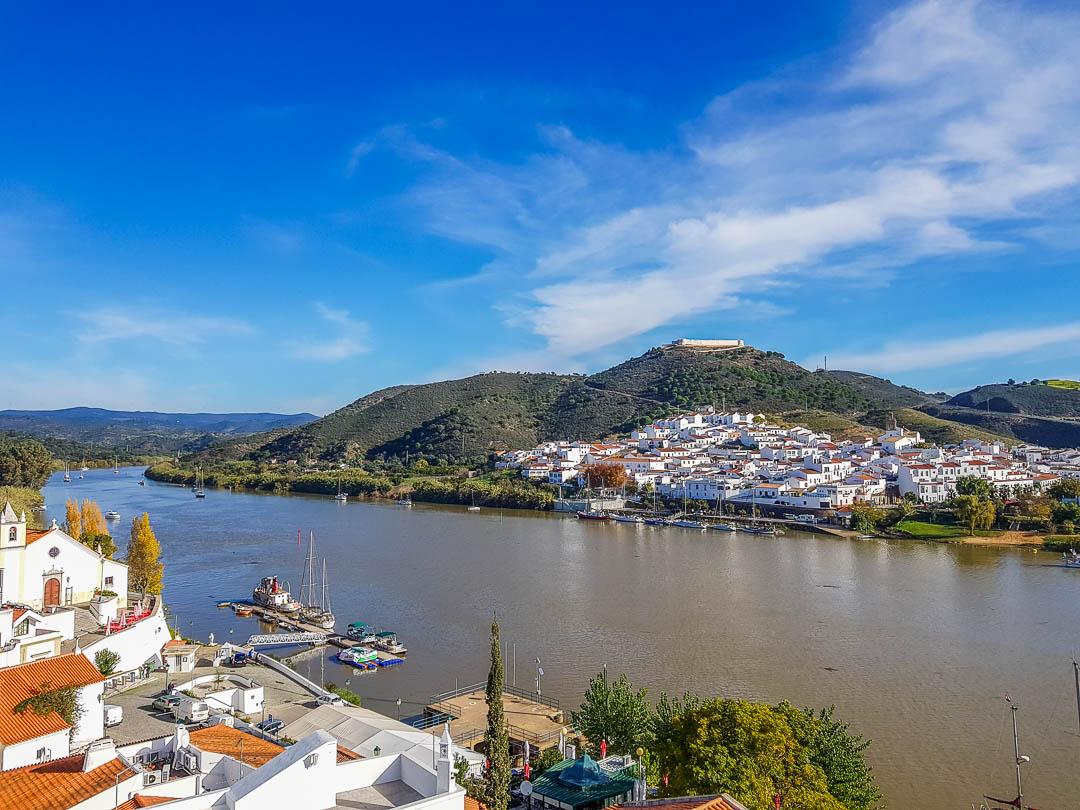
Alcoutim is a small town in the far north-east of the Algarve, on the bank of the Guadiana and directly opposite the Andalusian village of Sanlúcar de Guadiana. It grew up after the Treaty of Alcanizes (1297) made the river a border: King Dinis had the castle built around 1304, the year of the town charter, on a hill between the Guadiana and the Cadavais stream. In 1371 the kings of Portugal and Castile signed the Peace of Alcoutim here. From the castle, which houses the archaeology museum, winding streets lead down to the quay, in much the same spot as its medieval predecessor. Beside it, on a small rise, stands the parish church of São Salvador, from the first half of the 14th century. The Pego Fundo river beach is about 500 metres from the centre, and 1 km from town, above the river, are the ruins of Castelo Velho, an Islamic fort founded in the 8th or 9th century. The river still links the two banks. A boat crosses to Sanlúcar, and the zipline over the Guadiana starts on the Spanish side and lands in Alcoutim: 720 metres in under a minute.
Alcoutim
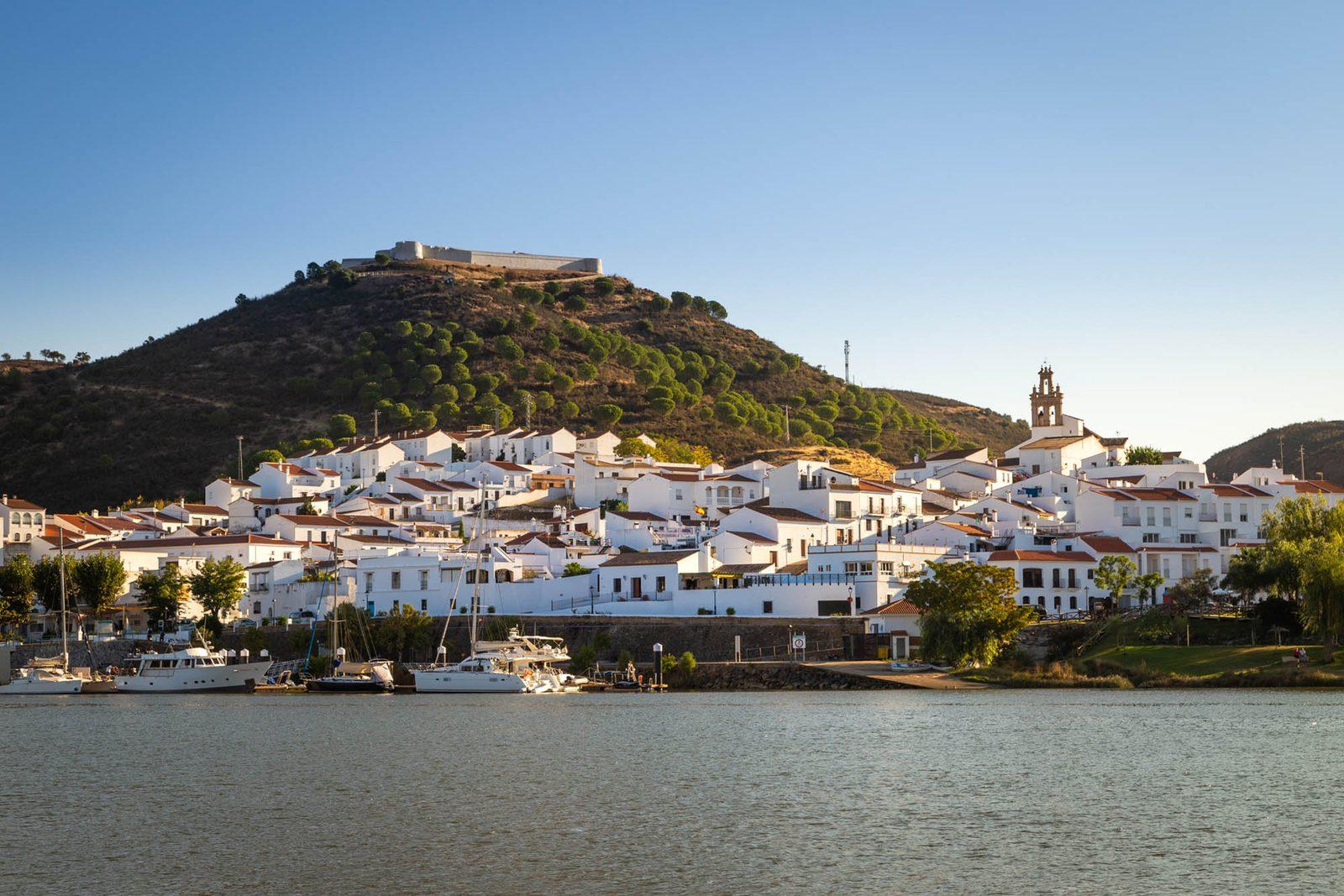
Álamo Roman Dam
At the edge of the hamlet of Álamo, about 11 km south of Alcoutim, stands a Roman dam. It sits in the Fornalha gully, a tributary of the Guadiana. It is a straight wall about 40 metres long, more than 8 metres high and 2.8 metres thick, built of mortared greywacke blocks laid in horizontal courses. Seven buttresses are visible on the south side. It is thought to have held around 2,100 cubic metres of water in a reservoir some 90 metres long. The archaeologist Estácio da Veiga identified and recorded it in the late 19th century, and it probably supplied the Roman villa of Álamo nearby. It has been a listed monument since 1992.
Alcoutim
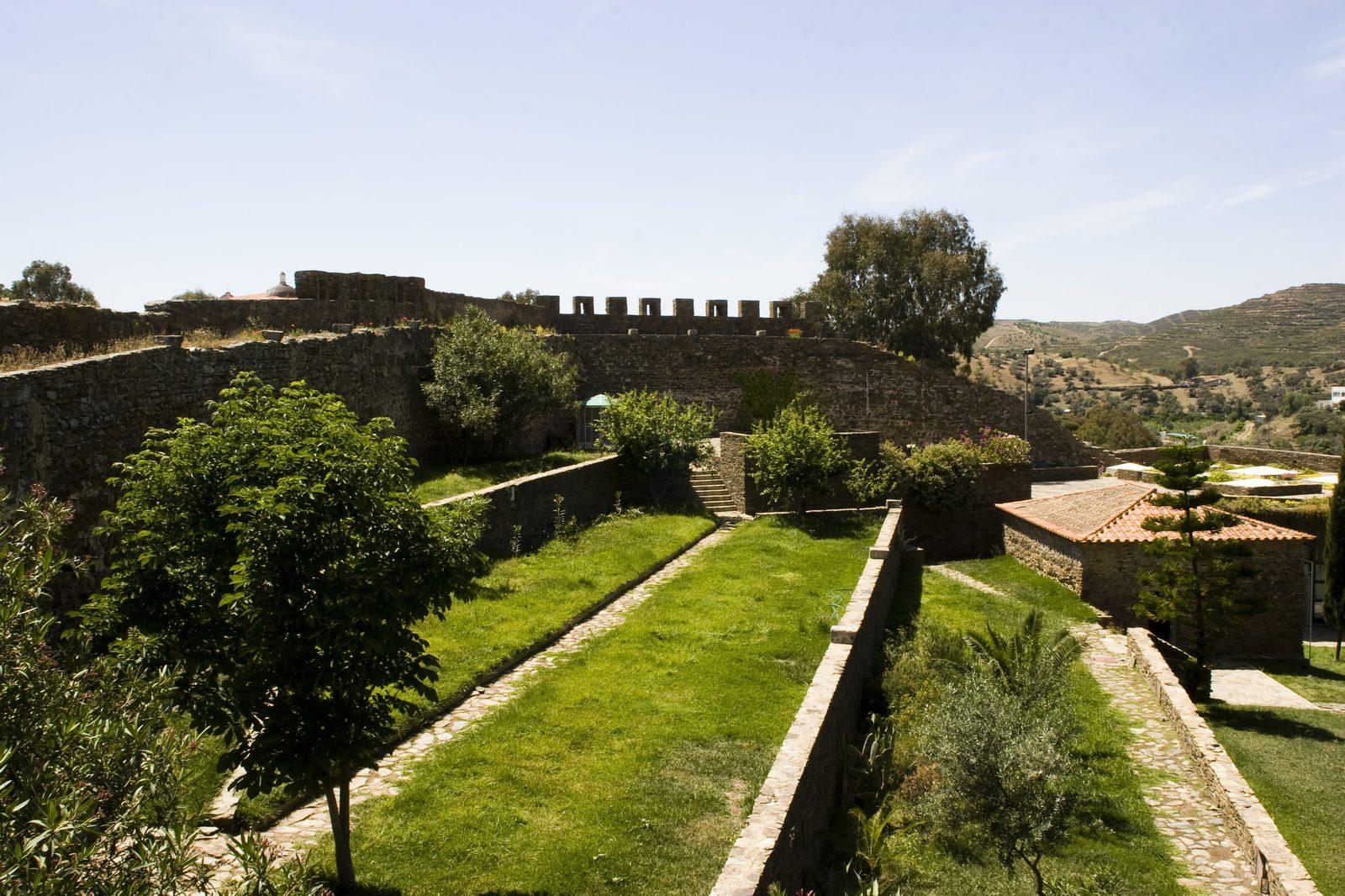
Alcoutim Castle
Alcoutim Castle was built on the orders of King Dinis around 1304, when the Guadiana became the border with Castile. It stands on a hill between the river and the Cadavais stream, and it was in this town that the Iberian kings signed the Peace of Alcoutim in 1371. From the wall walk you look out over the Guadiana to Sanlúcar on the far bank. On the north side a viewing scope points at Castelo Velho, the Islamic fort 1 km outside town. Inside is the archaeology museum, opened in 2000, with an exhibition running from the Neolithic to the 20th century. The old powder magazine holds 'Jogos Intemporais': 39 game boards carved into slabs of schist and 18 gaming pieces, all found at Castelo Velho. It is the largest set of Islamic-period games from a single archaeological site in Portugal.
Alcoutim
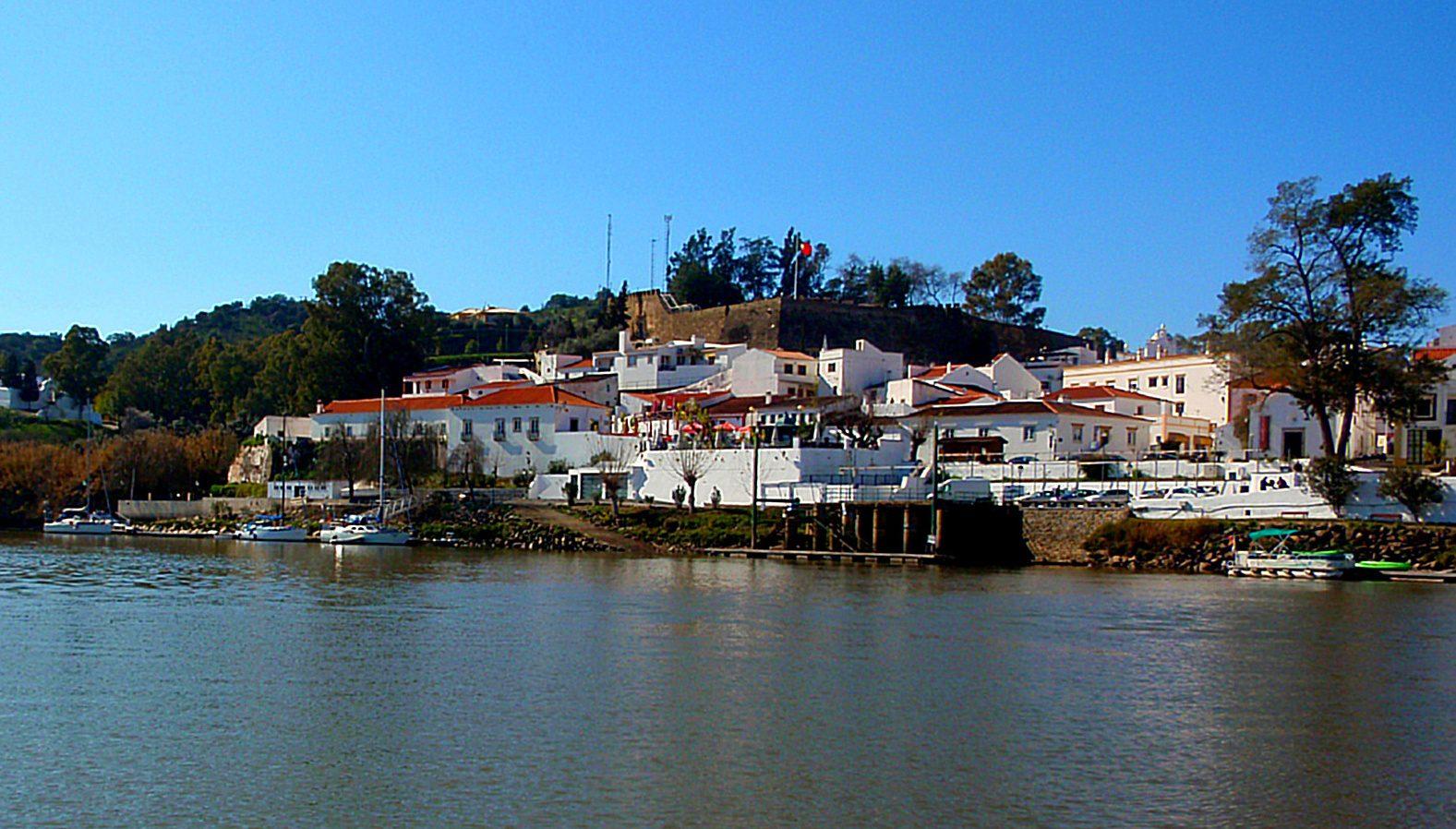
Pereiro
Pereiro is a village in the north-eastern Algarve, inland within the municipality of Alcoutim, and now shares a parish with the town itself. Its parish church of São Marcos is documented from the first half of the 16th century. Inside is one of the most interesting sets of altarpieces in this corner of the Algarve, above all the altarpiece of souls, the only Mannerist example to survive in the area. The village also has the Casa do Ferreiro, a branch of Alcoutim's municipal museum that opened in 2011 in the old blacksmith's workshop, shut for more than forty years before that. It shows farm tools, household ironwork and the rings made from horseshoe nails that young men gave their sweethearts, along with a documentary of local memories. Pereiro is the start of the PR4 Caminhos da Fonte, a walk of about 10 km past the Pereiro reservoir, holm oak groves and the hamlet of Fonte Zambujo.
Alcoutim