Algarve Atlas

Hidden Gems

8 hidden gems found

Suggest a hidden gem
AlamoHeritage

Alamo

Easy

A small rural village with remarkable archaeological heritage: the Roman Dam of Alamo, a straight wall about 3 meters high with buttresses, currently preserving a section of approximately 40 meters with 6 buttresses. About 100 meters downstream, archaeologist Estacio da Veiga excavated graves, a settlement, and a possible Roman temple. One of those small stops along the route that reveal a Roman and unknown Algarve, in the least densely populated municipality in Portugal.

Alcoutim

·Spring
AlcoutimVillages

Alcoutim

Easy

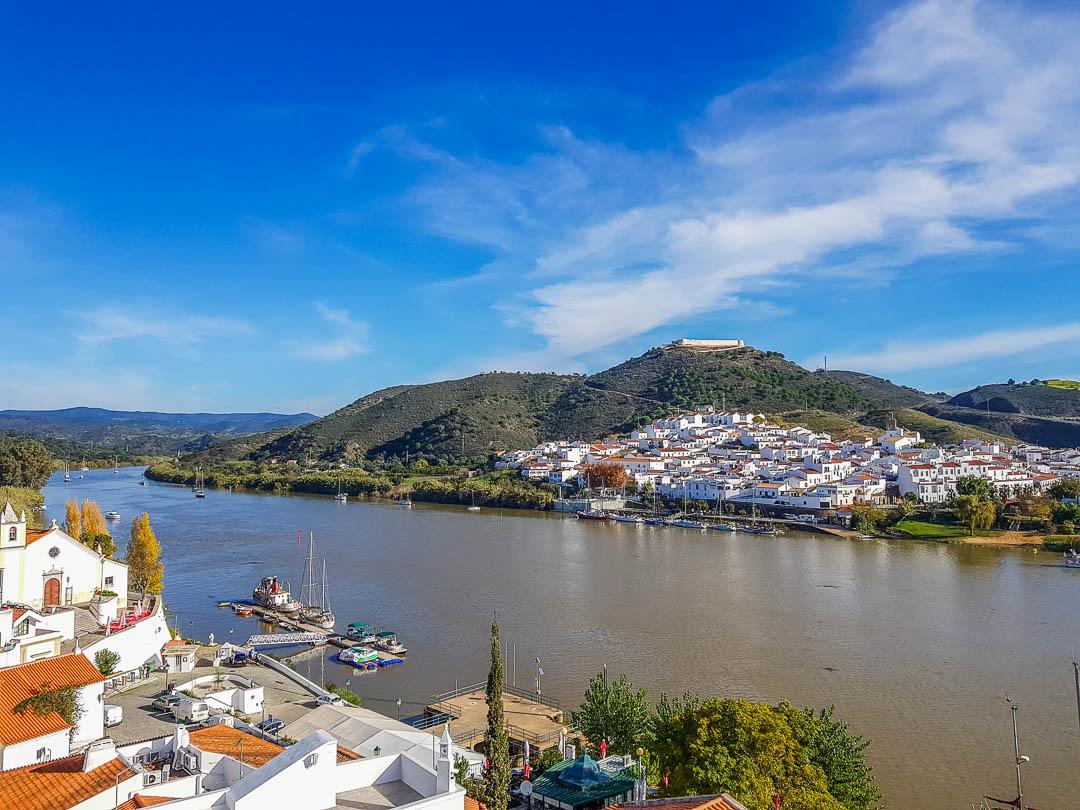
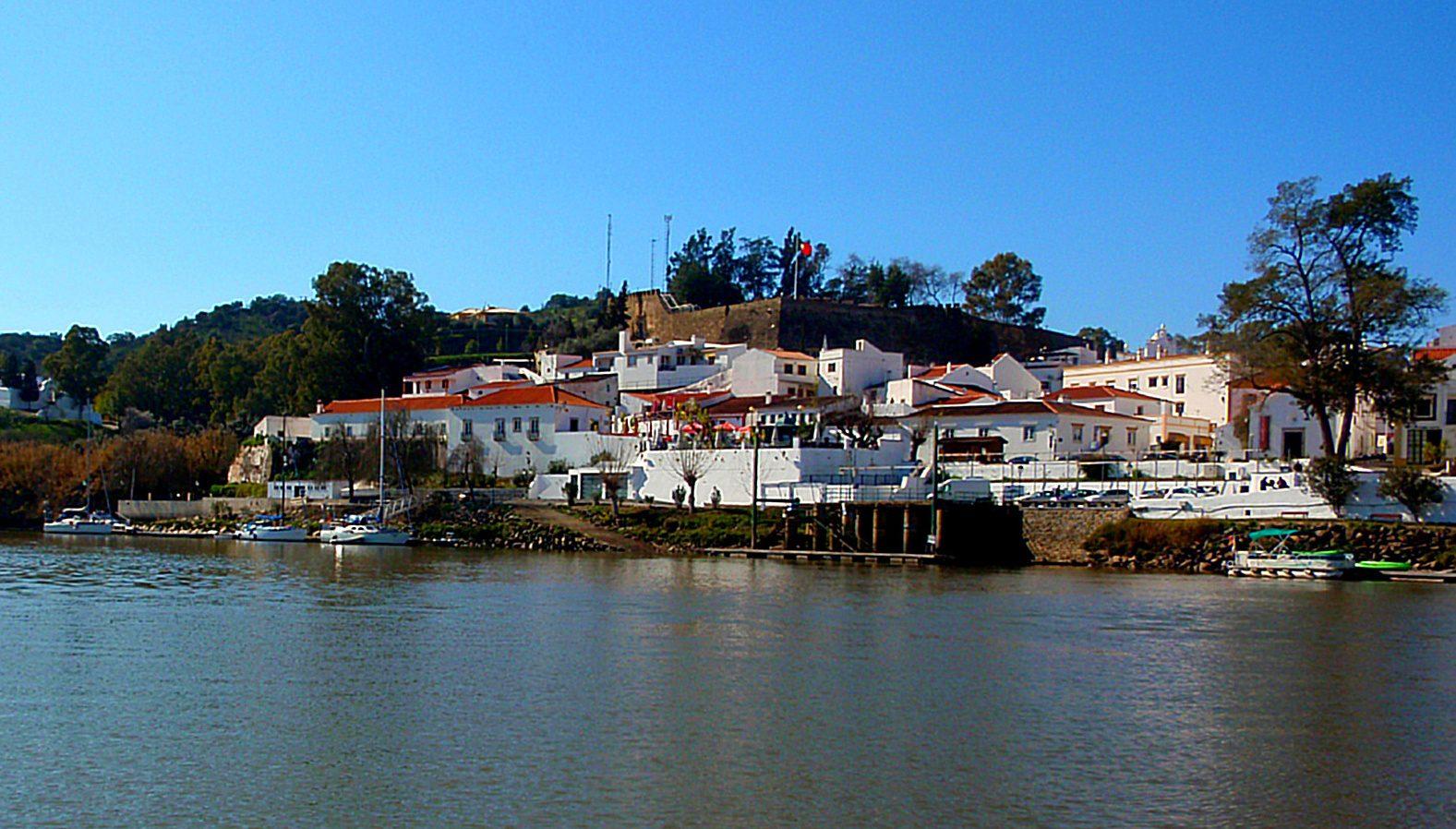
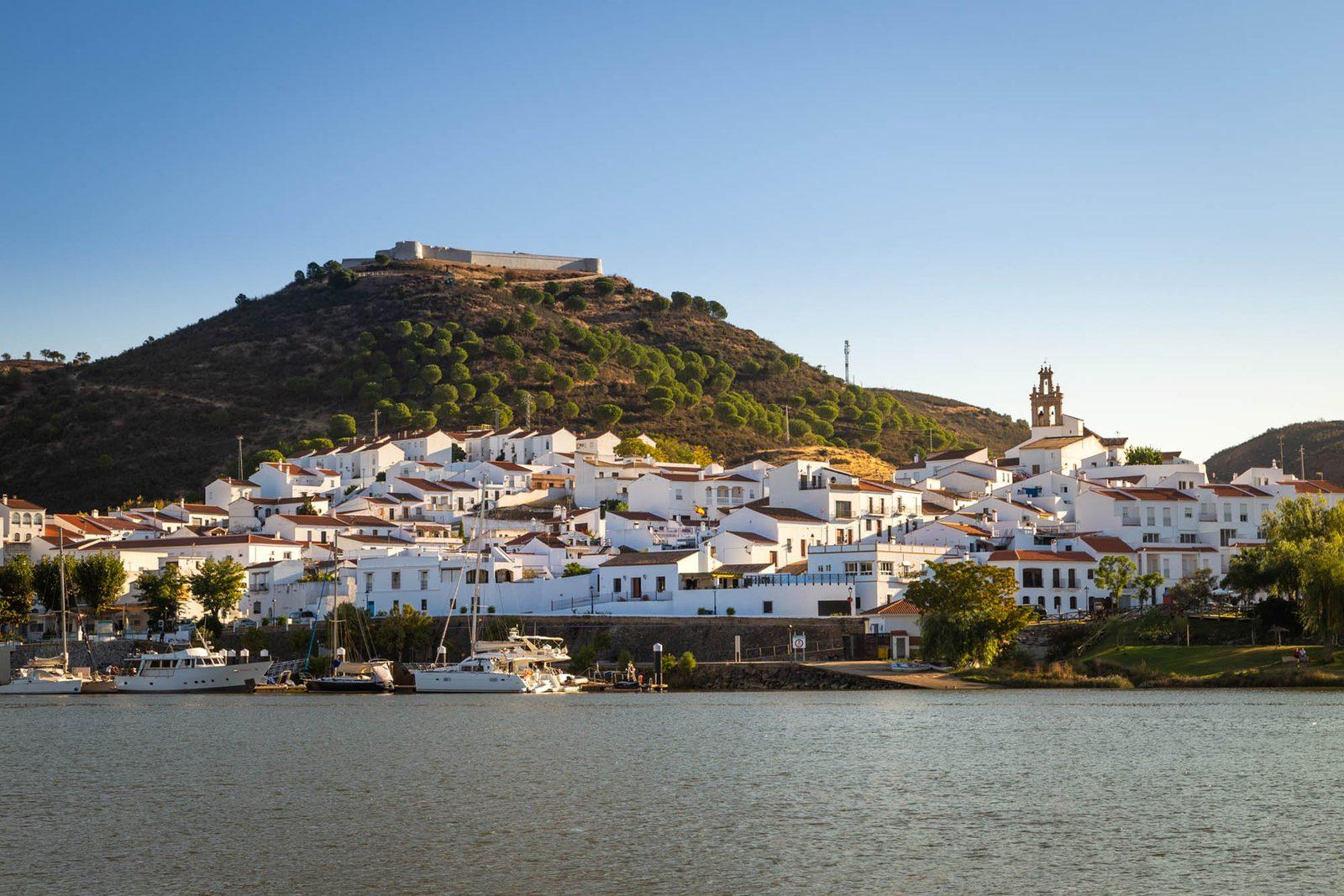
One of the most charming and least talked about villages in the Algarve interior, Alcoutim peacefully rests on the Portuguese bank of the Guadiana, facing the Spanish Sanlucar. The medieval castle, quiet streets, and river beach create a poetic and welcoming atmosphere reminiscent of the end of the world. It is the lesser-known and more authentic Algarve, where the river dictates the rhythm of life.

Alcoutim

·Spring
Alcoutim CastleHeritage

Alcoutim Castle

Easy

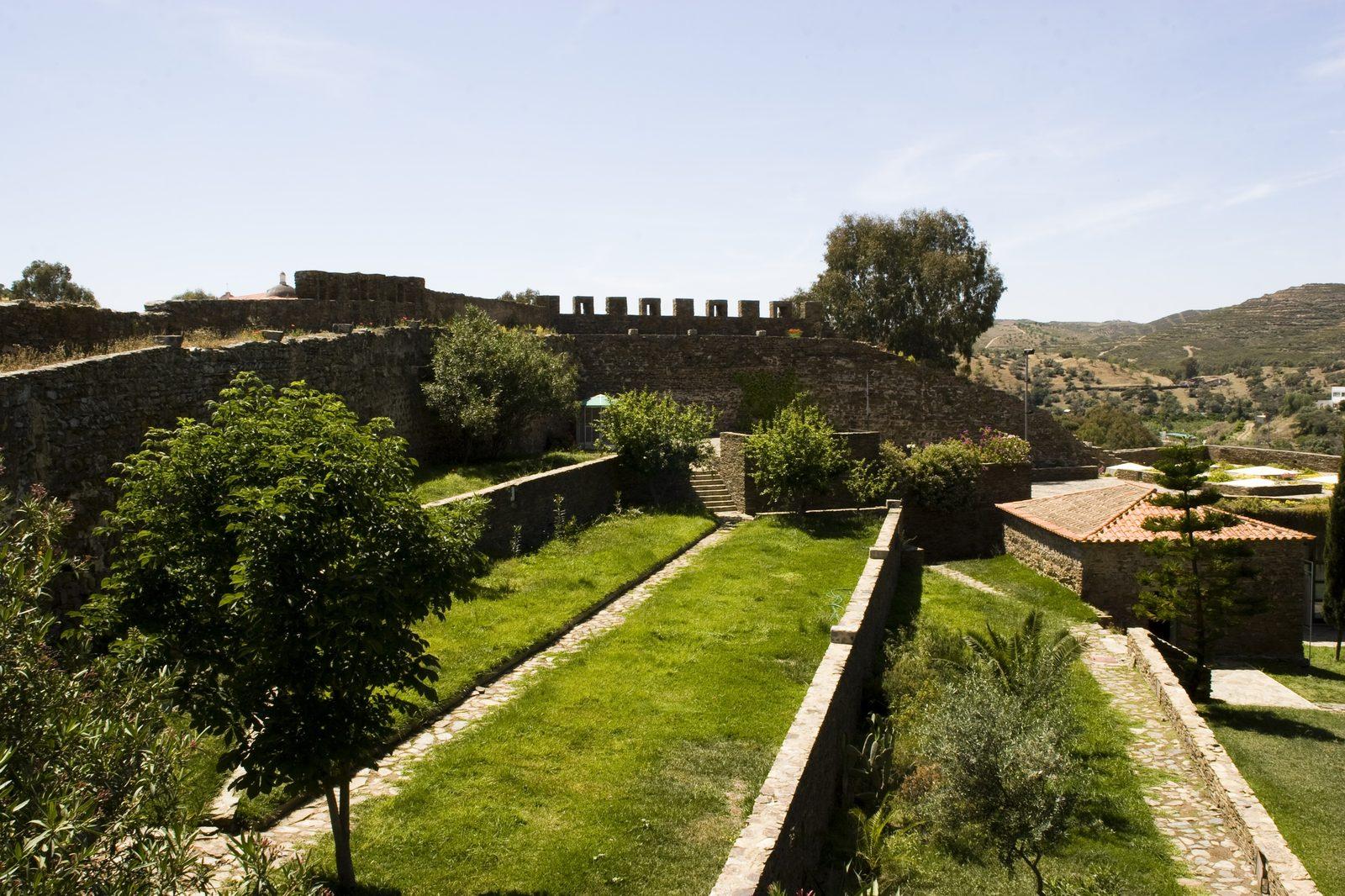
Border castle with a privileged view over the Guadiana and neighboring Spain, a testament to centuries of history on the Portuguese-Spanish border. Its preserved walls offer an impressive panorama of the Guadiana valley and the surrounding mountainous landscape. Inside, the museum core tells the story of the region from prehistory to the period of river smuggling.

Alcoutim

·All year
Guerreiros do RioVillages

Guerreiros do Rio

Easy

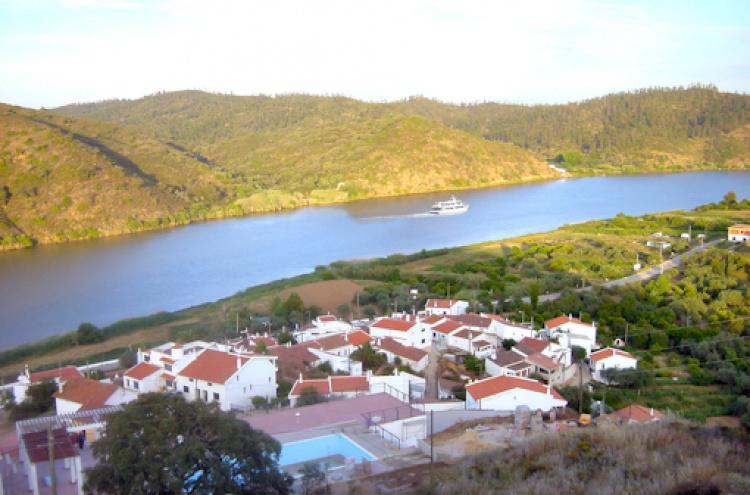
A small riverside nucleus asleep on the bank of the Guadiana, Guerreiros do Rio is an almost abandoned village that has gained new life with the fascinating River Museum. The few whitewashed houses, deserted streets, and proximity to the river create an atmosphere of serenity and discovery. It is one of the most remote and unexpected places in the Algarve.

Alcoutim

·Spring
Montinho das LaranjeirasHeritage

Montinho das Laranjeiras

Easy

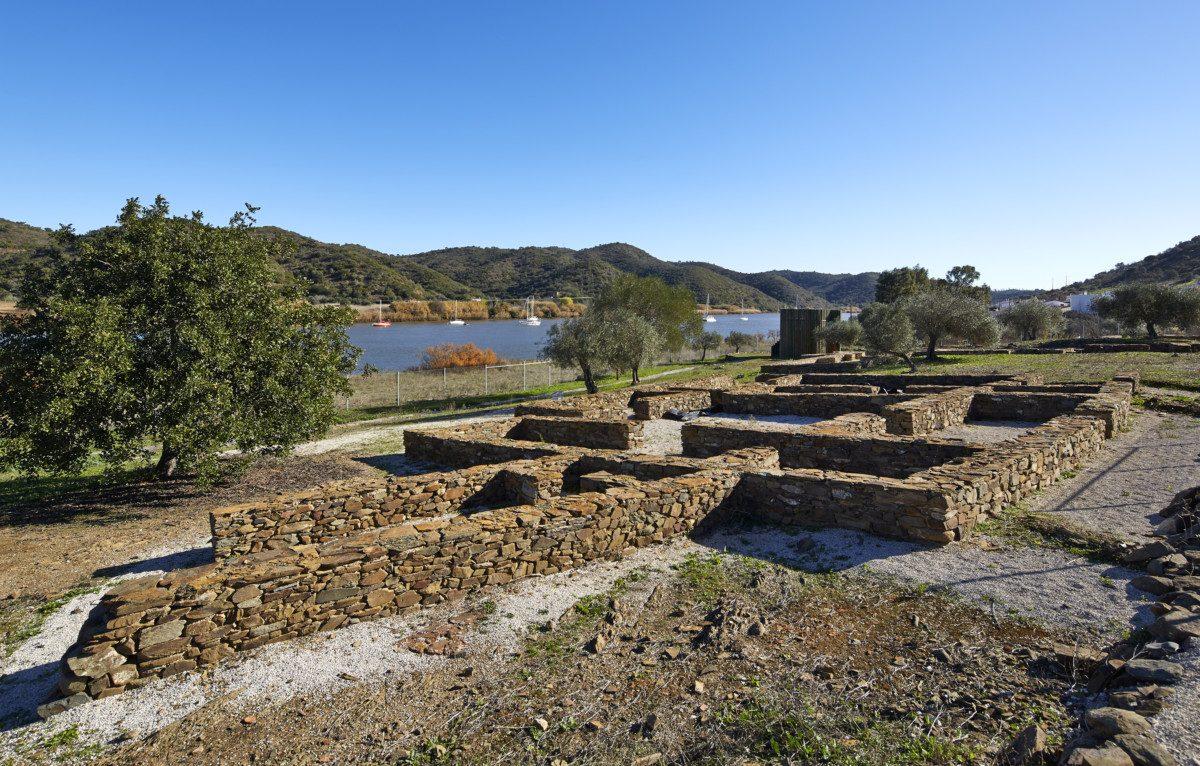
An important archaeological site on the right bank of the Guadiana River, about 6 km south of Alcoutim. The Roman Villa of Montinho das Laranjeiras was founded in the 1st century BC and was continuously occupied throughout the Roman, Visigothic, and Islamic periods. Three distinct areas survive: a Roman pars fructuaria (warehouse), a Visigothic cruciform ecclesia (6th-7th centuries, inspired by the Mausoleum of Galla Placidia in Ravenna), and Islamic dwellings. Discovered in 1876 when floods of the Guadiana exposed the ruins, it was reopened to the public in 2005 with restored structures, informative panels, and a lookout tower.

Alcoutim

·All year
PereiroVillages

Pereiro

Easy

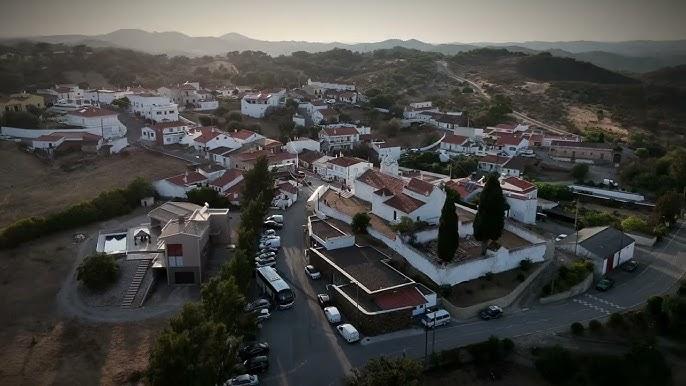
A small peaceful village by the streams of Vascao and Foupana, near the border with Alentejo. The name derives from the wild pear trees abundant in the region. It features the 16th-century Church of Sao Marcos and two museum nuclei: Fonte Zambujo (local heritage) and Santa Justa (a recreation of a primary school from the 1950s). Whitewashed houses line irregular rural streets framed by mountains. The 13 km trail between Alcoutim and Pereiro is one of the most scenic routes in the area.

Alcoutim

·Spring
Alcoutim River BeachSecret Beaches

Alcoutim River Beach

Easy

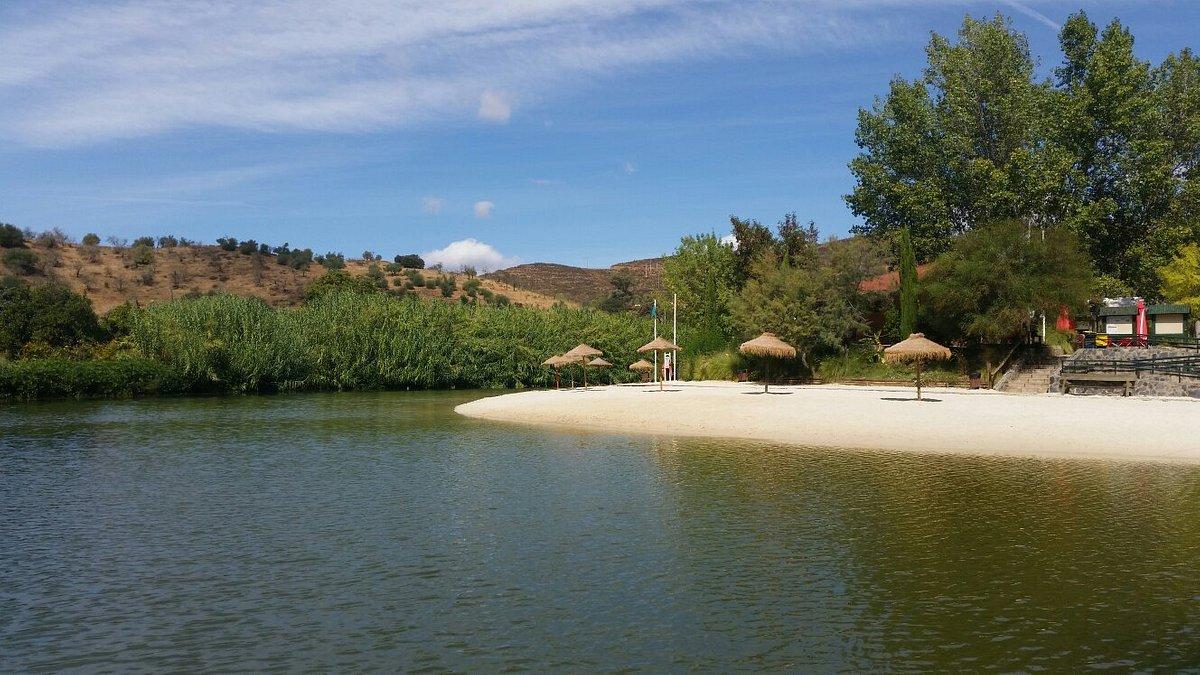
An unexpected beach spot in the interior Algarve, Alcoutim River Beach is bathed by the calm and warm waters of the Guadiana River. Overlooking the Spanish bank, this tranquil sandy area is a perfect refuge on hot summer days, away from the hustle of the coastal beaches. The freshwater and the shade of the willows complete the scene.

Alcoutim

·Summer
VaqueirosVillages

Vaqueiros

Easy

A village in the heart of the Serra do Caldeirão, between the rivers Foupana and Odeleite. Charming white houses in a graceful valley, representing a 'different' Algarve far from the tourist beaches. The area has significant mining heritage dating back to 2500 BC, with four copper mines (Alcaria Queimada, Pedras de Galinhas, Serras de Fora Merenda, and Cova dos Mouros). The Cova dos Mouros Mining Park offers a 750 m outdoor itinerary with ancient copper mines and prehistoric reconstructions. The Church of São Bento in Alcaria Queimada, dating from the 17th century, is another highlight.

Alcoutim

·Spring