Algarve Atlas

Hidden Gems

5 hidden gems found

Suggest a hidden gem
Azenha do CasteloHeritage

Azenha do Castelo

Easy

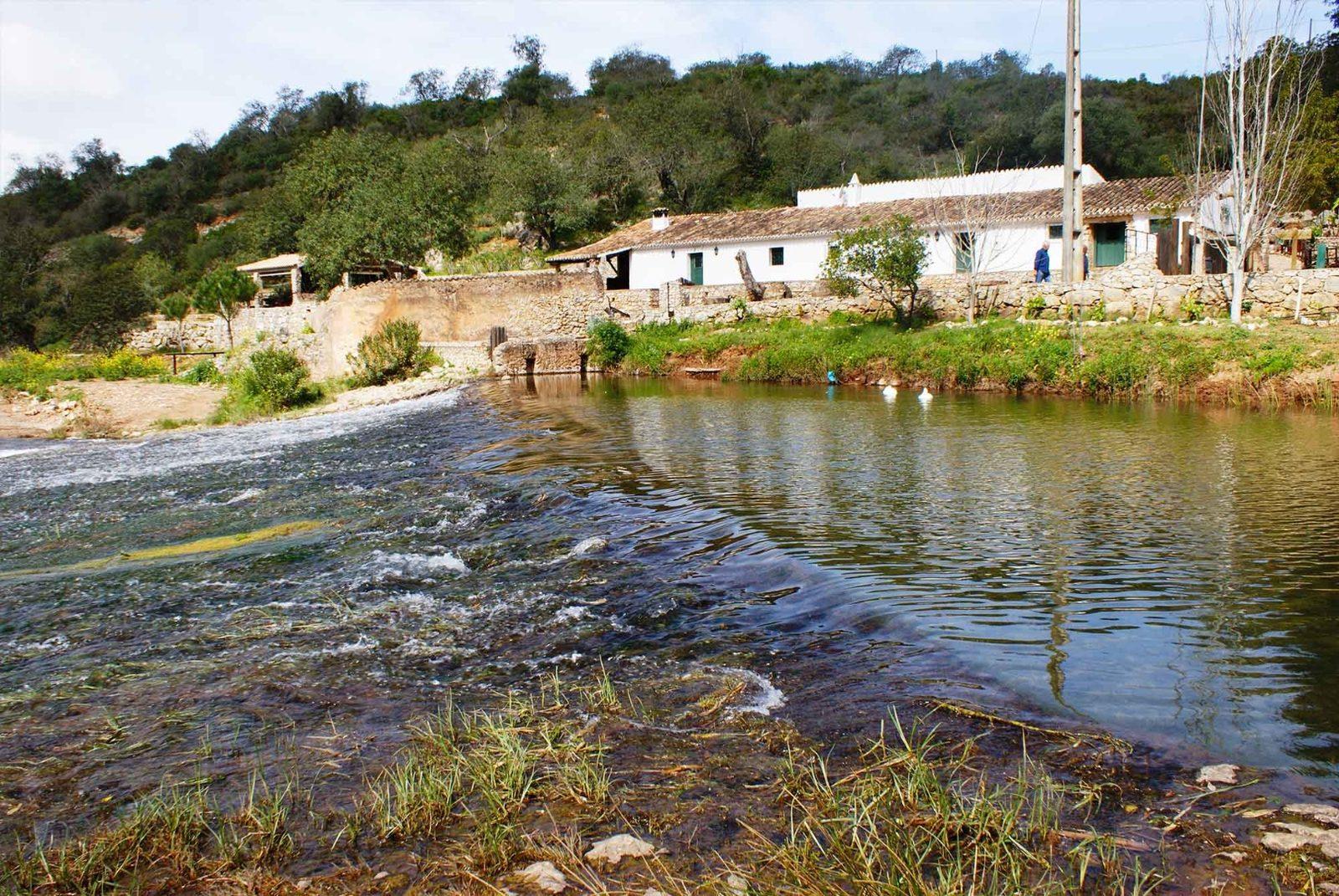
An old watermill (azenha) on the right bank of the Ribeira de Quarteira, next to Castelo de Paderne. The construction dates back to the Arab period, and the charter granted by King Manuel I in 1504 already refers to these milling systems. The mechanism used the force of water on a wheel to grind grains. Part of the Natura 2000 Network and the Biodiversity Station of the Ribeira de Quarteira, the azenha is a living testament to Moorish hydraulic ingenuity in the Algarve.

Albufeira

·Spring
Castelo de PaderneHeritage

Castelo de Paderne

Moderate

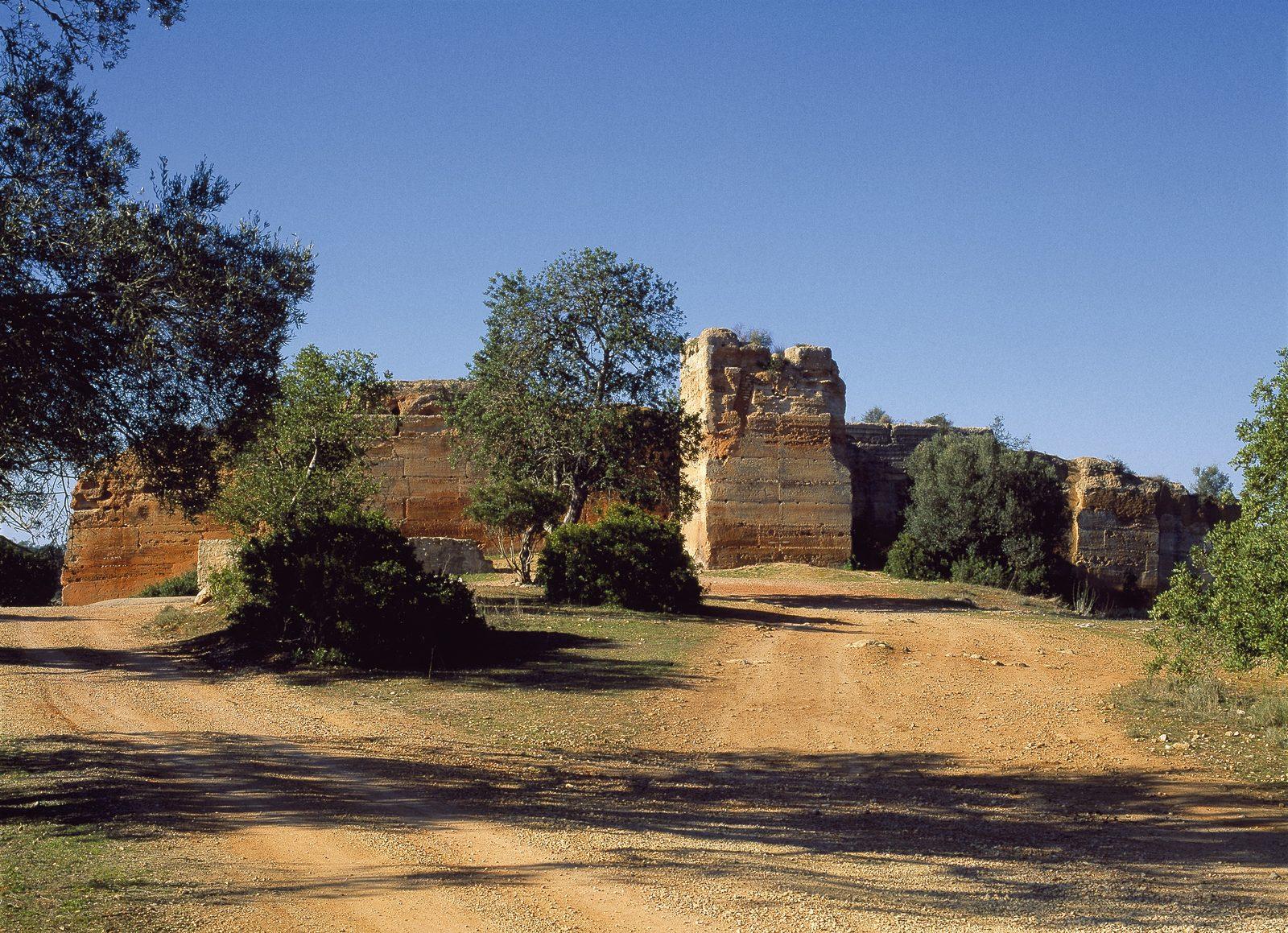
12th-century Almohad fortress built of rammed earth on a limestone hill overlooking the Ribeira de Quarteira. Believed to be one of the castles represented on the Portuguese flag. More than the castle itself, it is the surrounding landscape that impresses: the PR1 ABF trail runs through the fertile valley along the river, passing the medieval bridge, Azenha da Cabana, the Moorish Acude da Estacada, and orchards of citrus, carob, and almond trees. Four thousand years of human occupation in one walk.

Albufeira

·Spring
Cerro de São VicenteViewpoints

Cerro de São Vicente

Moderate

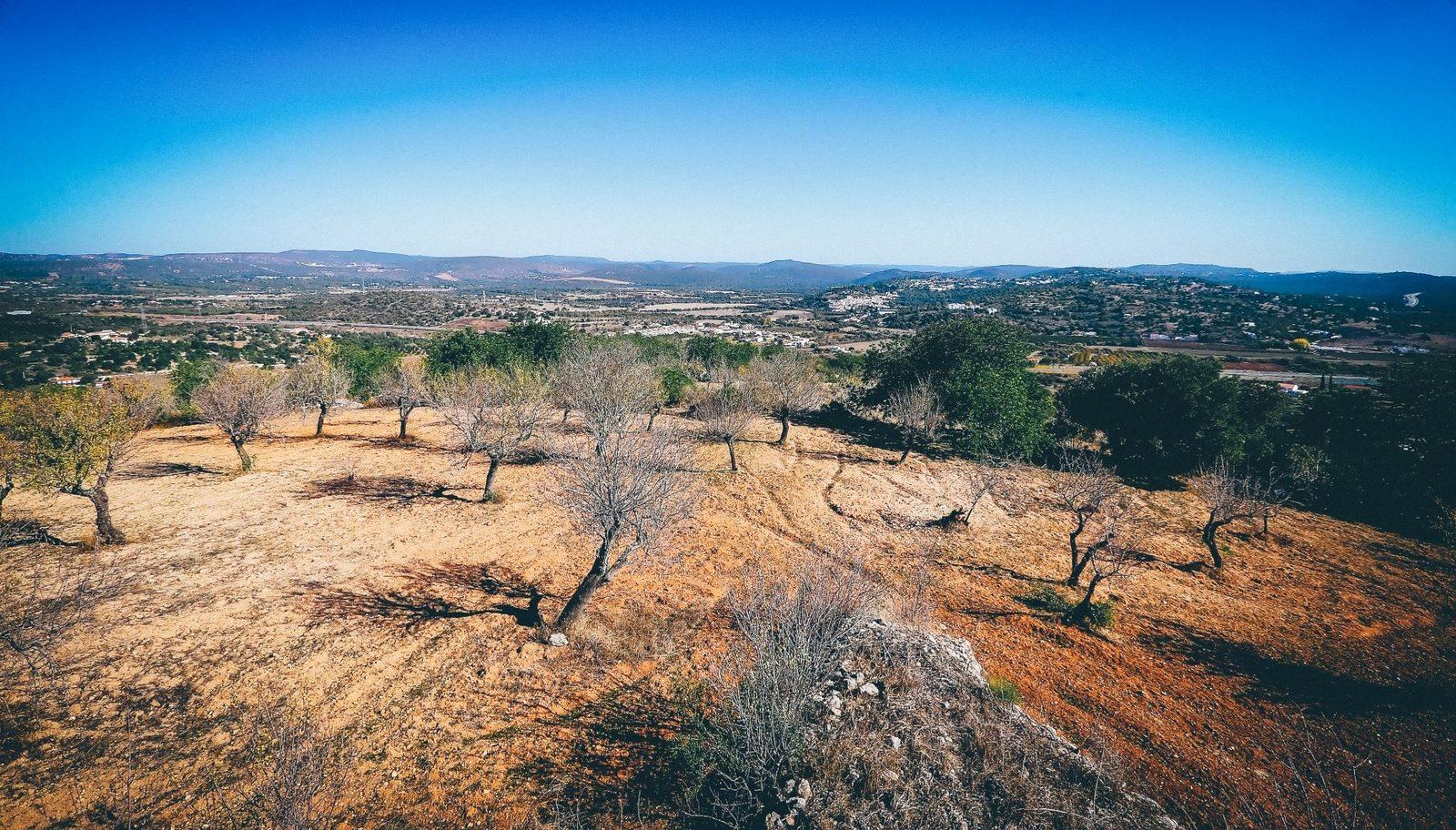
Hill with an altitude of 169 meters where the ruins of Moinho de Sao Vicente, one of the oldest mills in the parish of Paderne, are located. From the top, enjoy panoramic views over the watersheds of the rivers Alte, Algibre, and Quarteira, cutting through geological formations from the Upper Jurassic, 160 million years old. On clear days, you can see Rocha da Pena and the escarpment of the Sao Marcos Accident. The PR2 ABF route (11 km circular, about 3h30) climbs to the top passing by the Chapel of N.a Sr.a ao Pe da Cruz and the village of Purgatorio.

Albufeira

·Spring
Roman Bridge of PaderneHeritage

Roman Bridge of Paderne

Easy

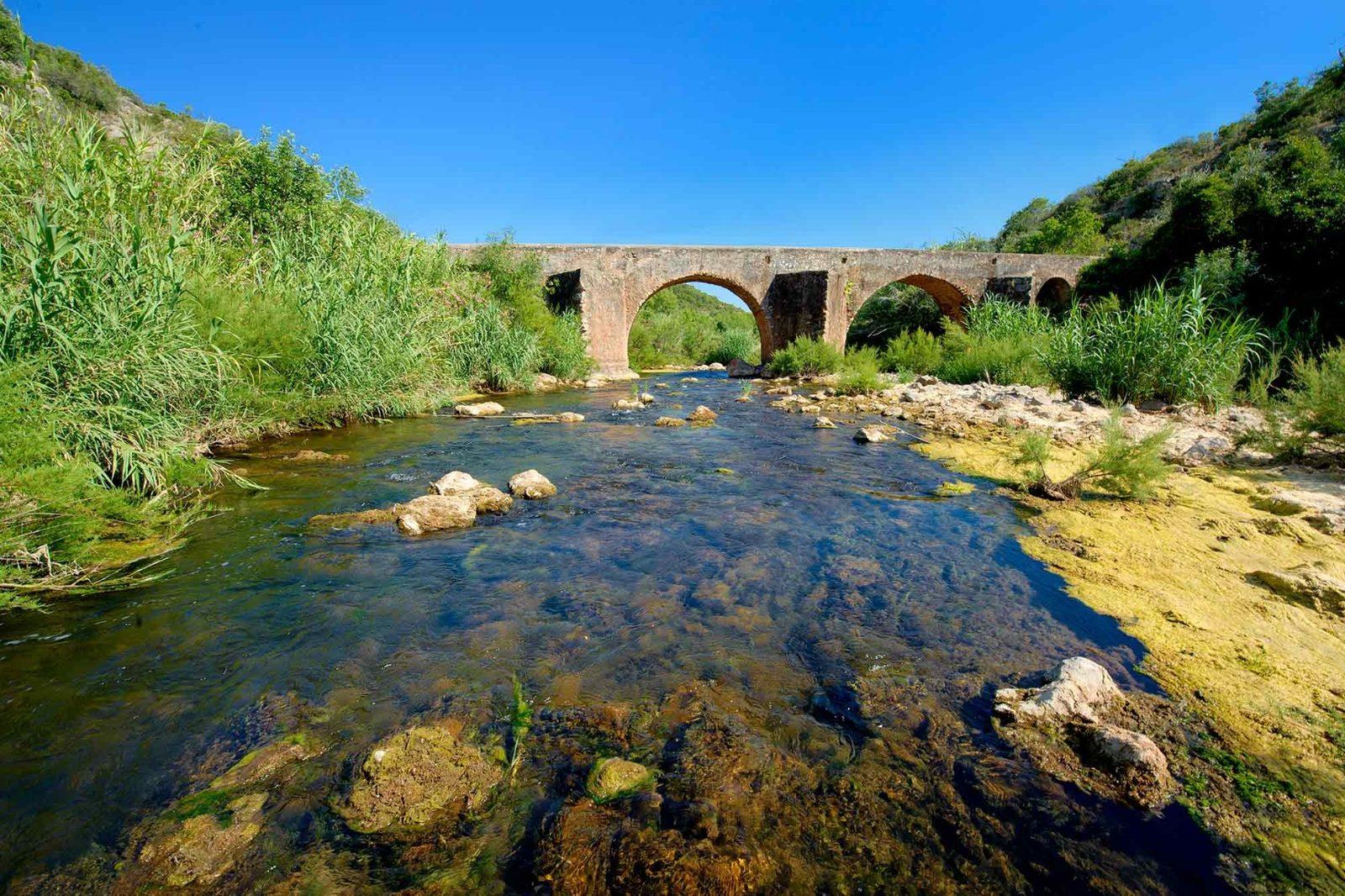
Medieval Roman-style bridge over the Ribeira de Quarteira, about 200 meters southeast of Castelo de Paderne. It has three perfect arches supported by two triangular prismatic piers. Built on Roman foundations of the ancient Via Lusitanorum, it was restored in 1771, a date inscribed on the central arch. It served the castle, which controlled both the river and the bridge — two essential routes between the interior and the Algarve coast. Near the bridge are the ruins of Moinho da Alfarrobeira and the old house and oven of the miller.

Albufeira

·Spring
Várzea de PaderneNature

Várzea de Paderne

Easy

Alluvial plain formed at the confluence of the rivers Algibre and Quarteira, producing fertile soils that have supported orchards of citrus, almond, fig, and carob trees for centuries. The abrupt transition from the hill of Monchina to the plain creates a remarkable landscape contrast. Paderne is located in the Algarve barrocal — just 12 km from the coast, but with a completely rural character. More than an obvious attraction, the plain is about the environment, agricultural landscape, and the silent heritage of traditional irrigation systems.

Albufeira

·Spring