Algarve Atlas

Hidden Gems

10 hidden gems found

Suggest a hidden gem
AlamoHeritage

Alamo

Easy

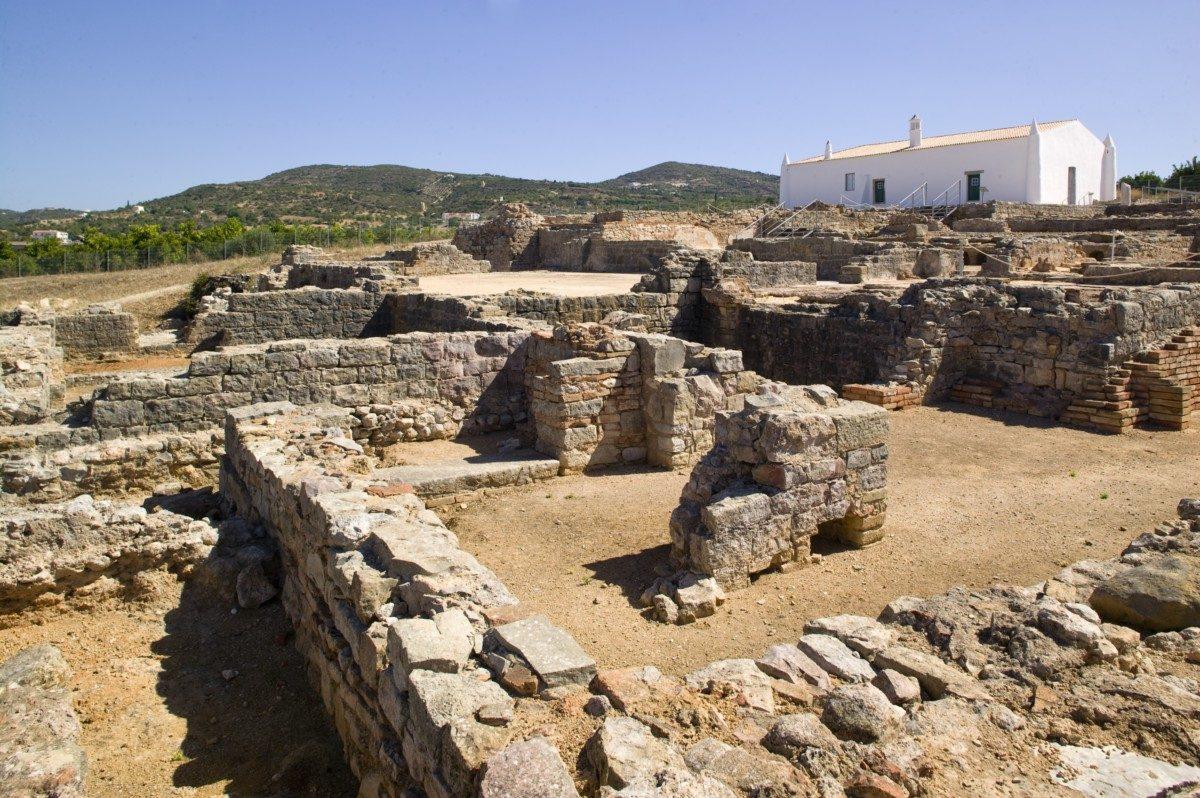
A small rural village with remarkable archaeological heritage: the Roman Dam of Alamo, a straight wall about 3 meters high with buttresses, currently preserving a section of approximately 40 meters with 6 buttresses. About 100 meters downstream, archaeologist Estacio da Veiga excavated graves, a settlement, and a possible Roman temple. One of those small stops along the route that reveal a Roman and unknown Algarve, in the least densely populated municipality in Portugal.

Alcoutim

·Spring
Azenha do CasteloHeritage

Azenha do Castelo

Easy

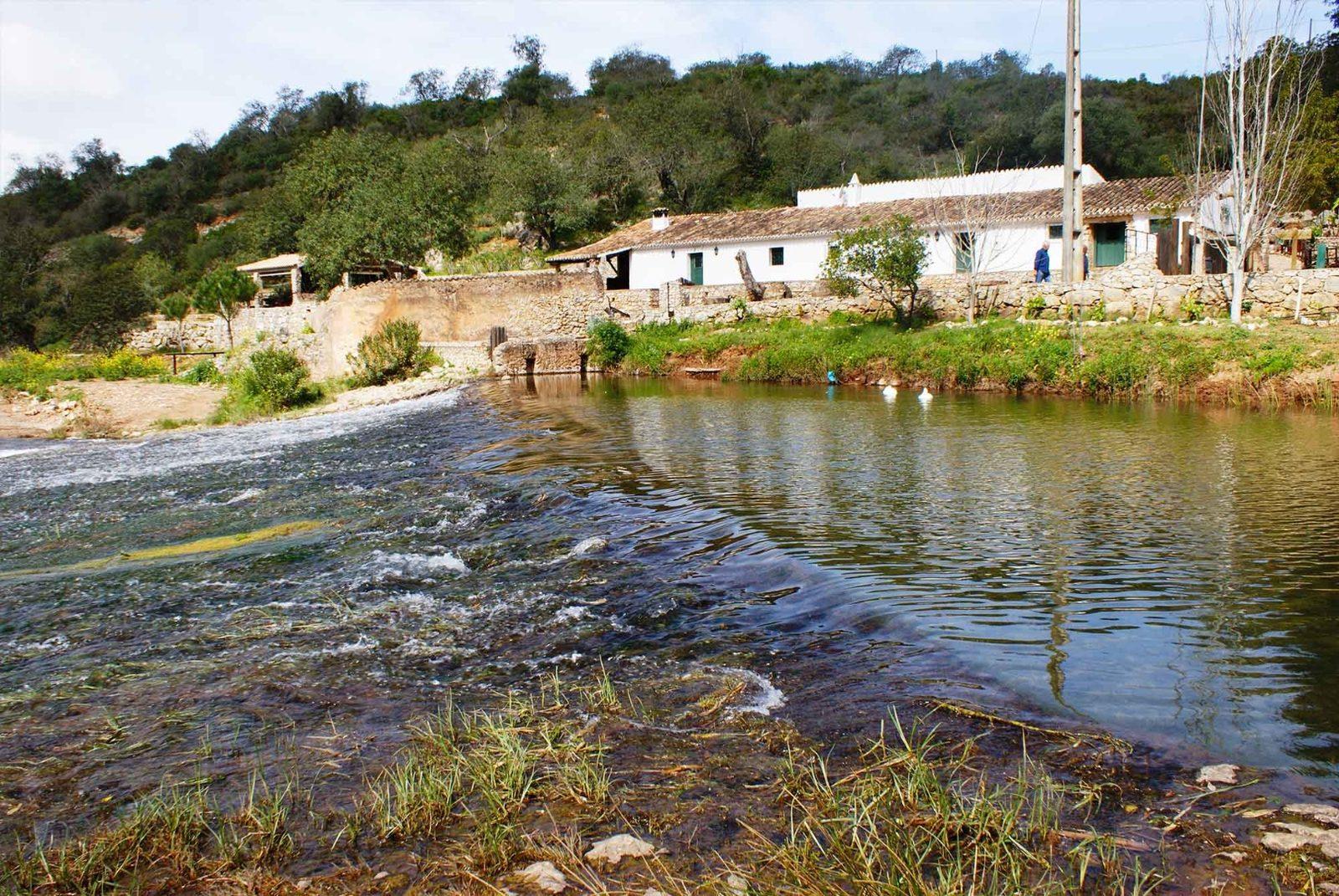
An old watermill (azenha) on the right bank of the Ribeira de Quarteira, next to Castelo de Paderne. The construction dates back to the Arab period, and the charter granted by King Manuel I in 1504 already refers to these milling systems. The mechanism used the force of water on a wheel to grind grains. Part of the Natura 2000 Network and the Biodiversity Station of the Ribeira de Quarteira, the azenha is a living testament to Moorish hydraulic ingenuity in the Algarve.

Albufeira

·Spring
Alcoutim CastleHeritage

Alcoutim Castle

Easy

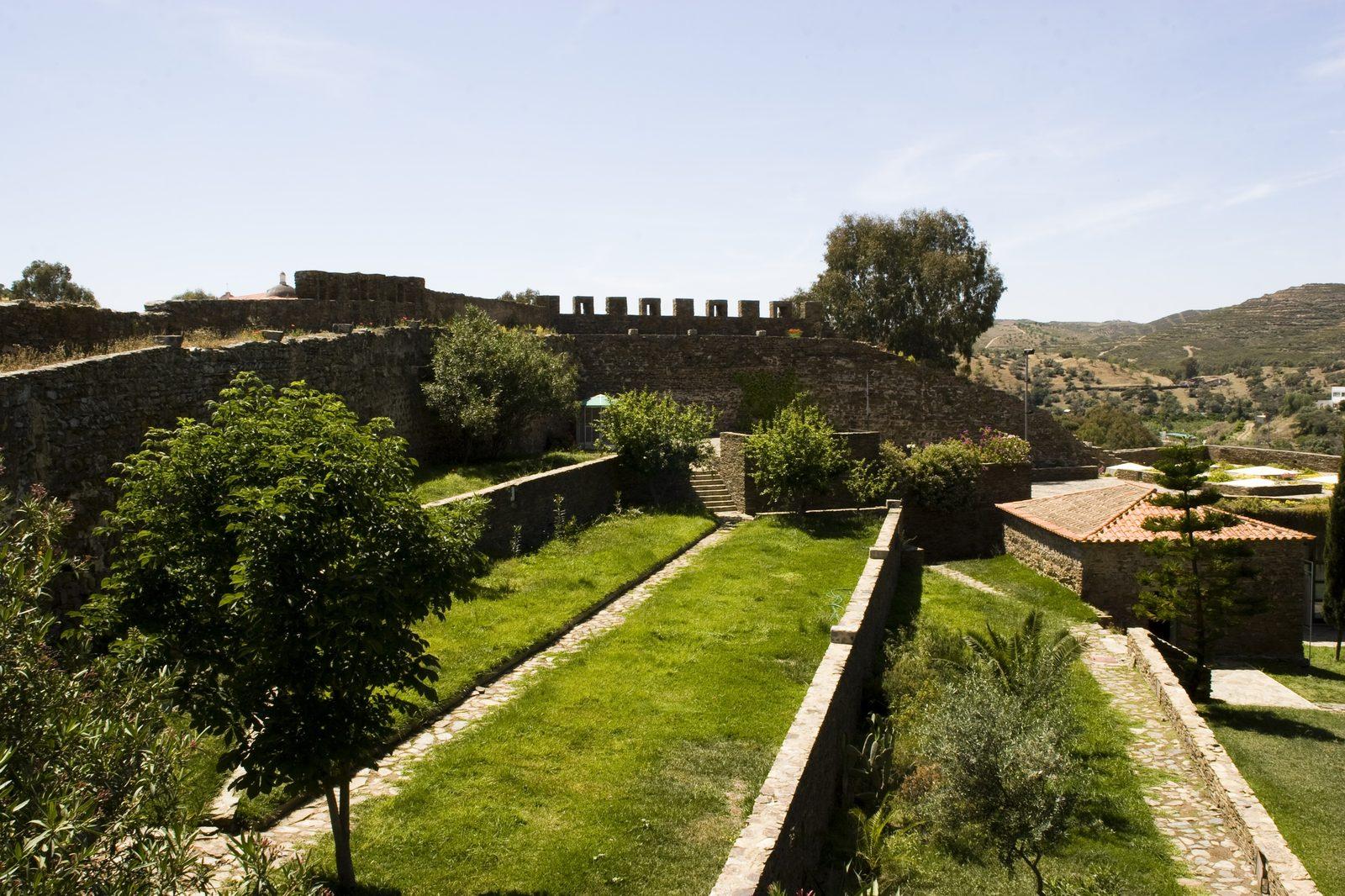
Border castle with a privileged view over the Guadiana and neighboring Spain, a testament to centuries of history on the Portuguese-Spanish border. Its preserved walls offer an impressive panorama of the Guadiana valley and the surrounding mountainous landscape. Inside, the museum core tells the story of the region from prehistory to the period of river smuggling.

Alcoutim

·All year
Castelo de PaderneHeritage

Castelo de Paderne

Moderate

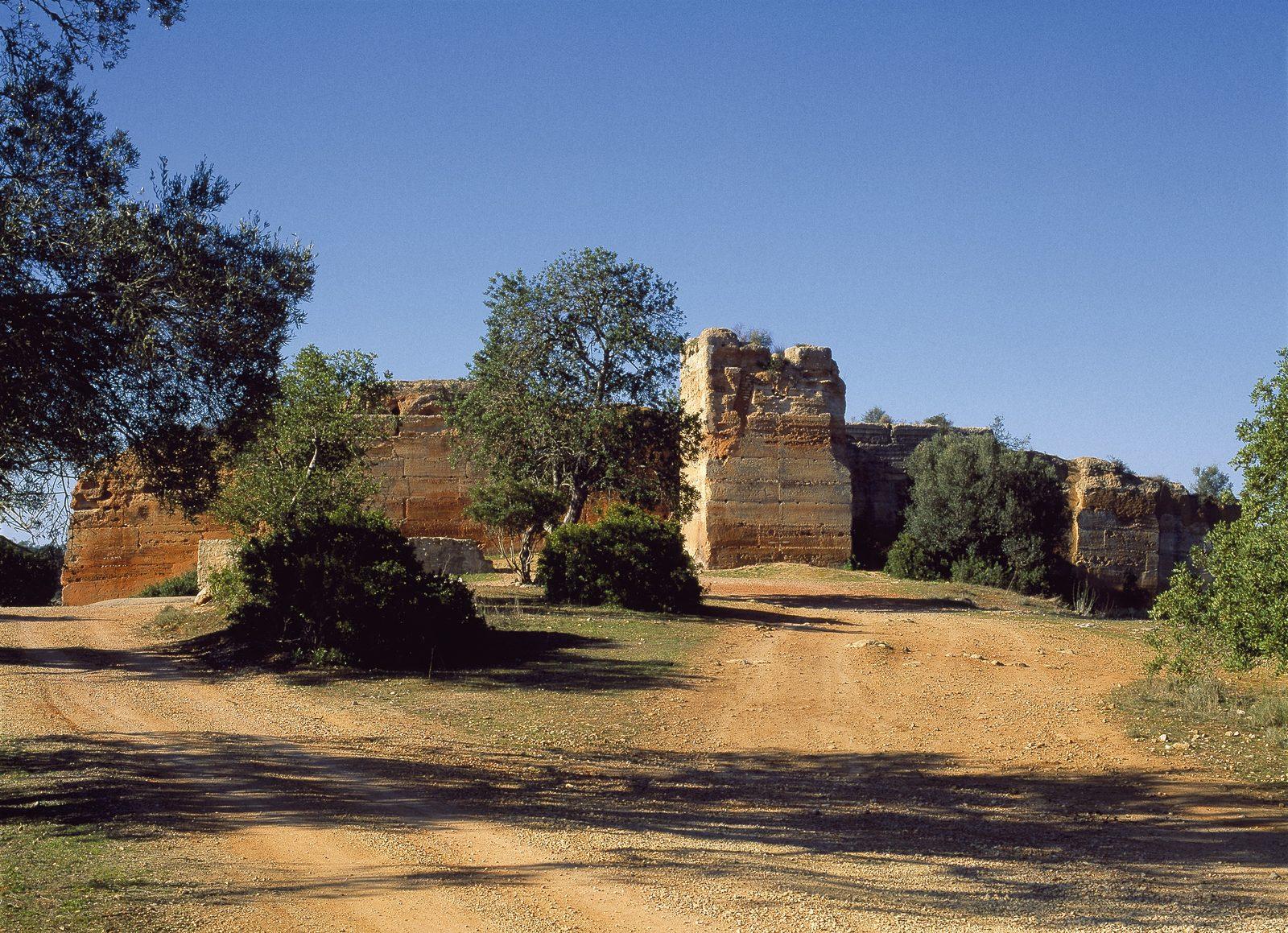
12th-century Almohad fortress built of rammed earth on a limestone hill overlooking the Ribeira de Quarteira. Believed to be one of the castles represented on the Portuguese flag. More than the castle itself, it is the surrounding landscape that impresses: the PR1 ABF trail runs through the fertile valley along the river, passing the medieval bridge, Azenha da Cabana, the Moorish Acude da Estacada, and orchards of citrus, carob, and almond trees. Four thousand years of human occupation in one walk.

Albufeira

·Spring
Fort of São João do AradeHeritage

Fort of São João do Arade

Easy

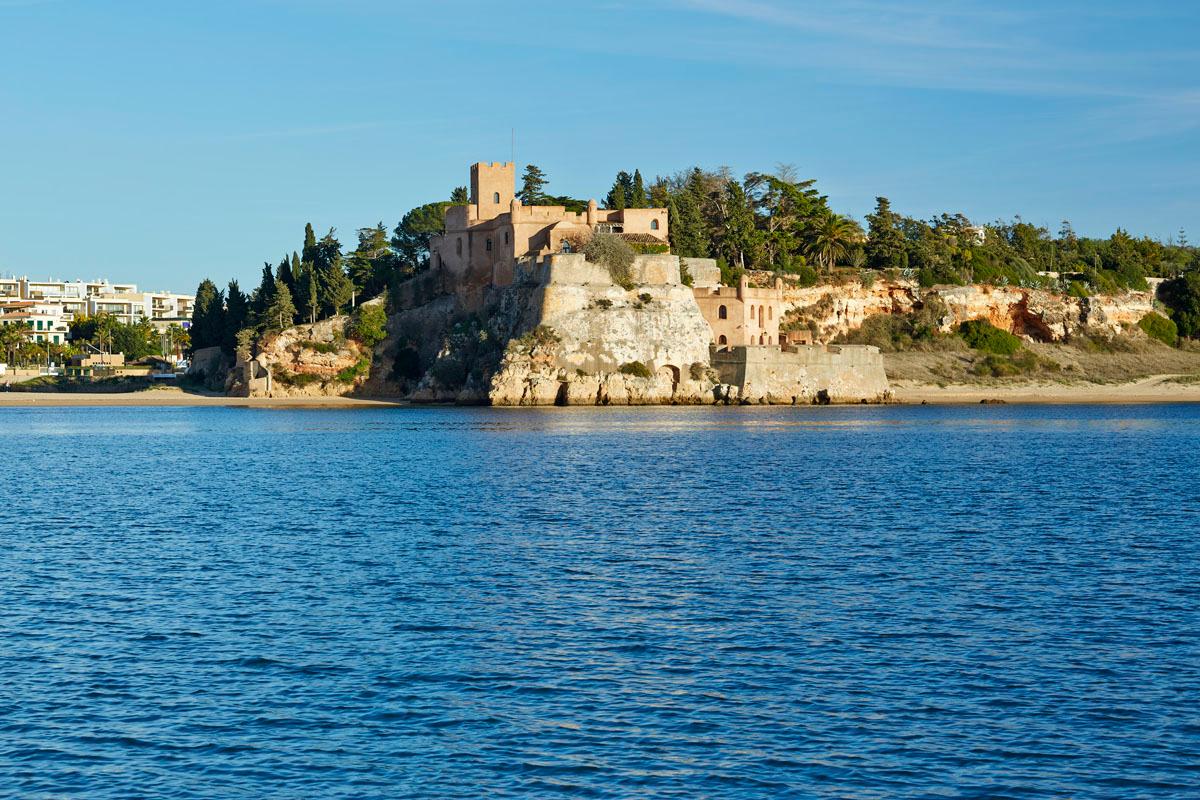
Historic military fort at the mouth of the Arade River in Ferragudo, probably built on a 15th-century watchtower during the reign of King John II. It faces the Forte de Santa Catarina in Portimao on the opposite bank, forming a defensive system that guarded the river entrance. Classified by IPPAR since 1975. Although not completely unknown, it remains surprisingly discreet compared to other coastal icons of the Algarve. The silhouette of the fort at sunset, viewed from Ferragudo beach, is one of the most beautiful images of the Algarve coast.

Lagoa

·All year
Moinho das PernadasHeritage

Moinho das Pernadas

Easy

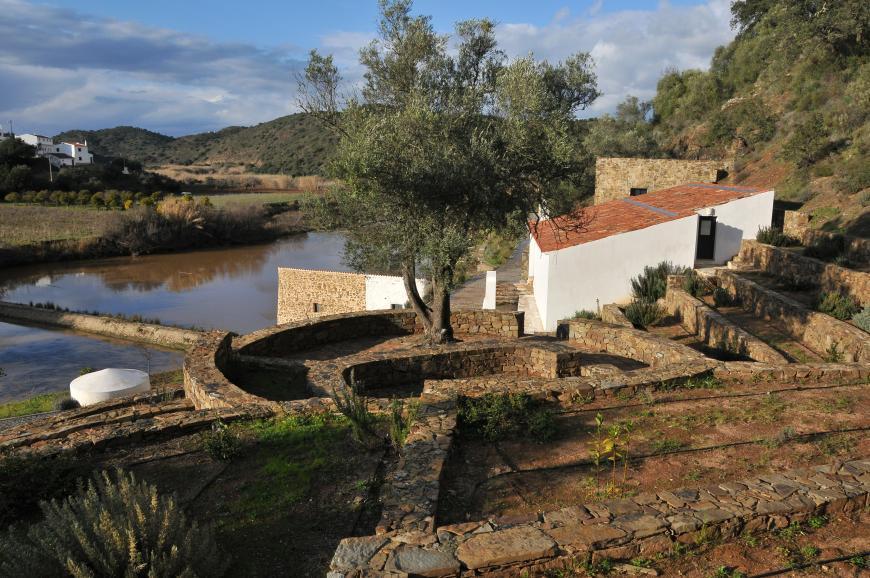
A restored hydraulic mill complex on the Ribeira de Odeleite, about 2 km from the village of Odeleite towards Foz de Odeleite. The mill used the river's force to grind locally produced grains. The restored complex includes the mill building, a dock, the miller's house, a viewpoint, and a bread oven. The Ribeira de Odeleite originates in Vale Maria Dias in the Serra do Caldeirão (municipality of Loulé) at 463 m altitude and flows about 55 km until it meets the Guadiana. An excellent combination of water, trail, and rural heritage.

Castro Marim

·Spring
Montinho das LaranjeirasHeritage

Montinho das Laranjeiras

Easy

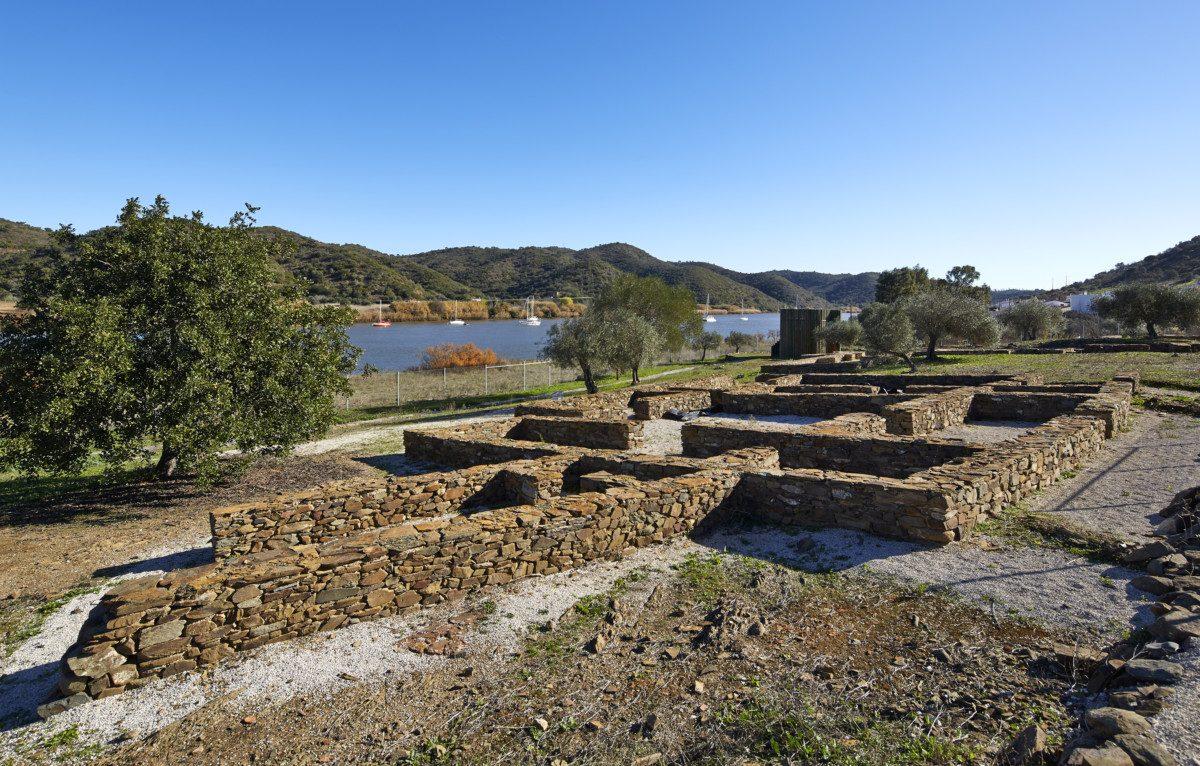
An important archaeological site on the right bank of the Guadiana River, about 6 km south of Alcoutim. The Roman Villa of Montinho das Laranjeiras was founded in the 1st century BC and was continuously occupied throughout the Roman, Visigothic, and Islamic periods. Three distinct areas survive: a Roman pars fructuaria (warehouse), a Visigothic cruciform ecclesia (6th-7th centuries, inspired by the Mausoleum of Galla Placidia in Ravenna), and Islamic dwellings. Discovered in 1876 when floods of the Guadiana exposed the ruins, it was reopened to the public in 2005 with restored structures, informative panels, and a lookout tower.

Alcoutim

·All year
Cachopo MuseumHeritage

Cachopo Museum

Easy

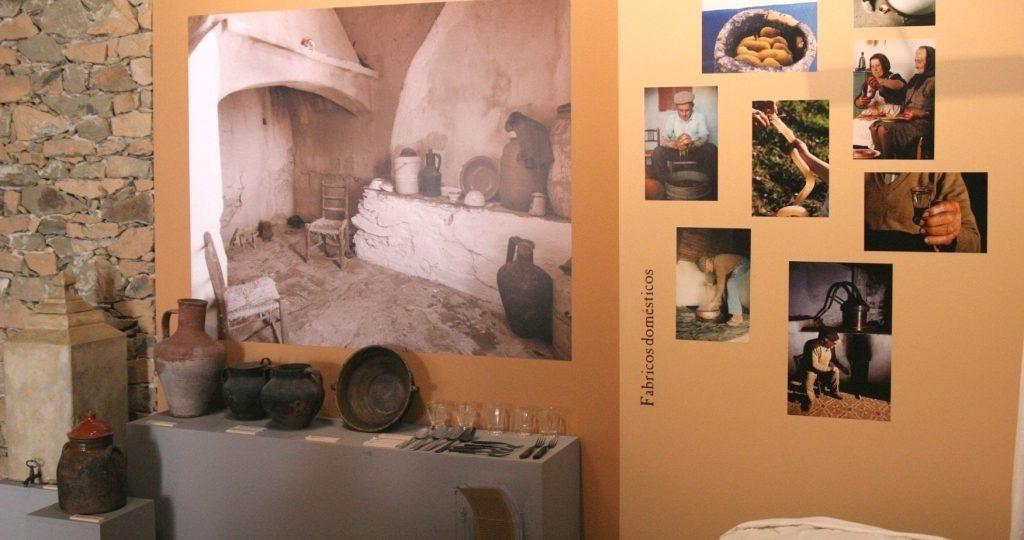
Museum inaugurated in 2000 in the former Casa dos Cantoneiros, featuring the exhibition 'Life in the Mountains'. It is part of the Municipal Museum of Tavira and is managed in partnership with the Parish Council of Cachopo. The exhibition is divided into three sections: 'Cachopo Through Time' (history of settlement), 'The Mountains and Life' (coexistence between humans and nature), and 'Work and Daily Life' (everyday life, domestic work, and crafts). An ethnographic focus that preserves and promotes the traditional culture of the mountains from prehistory to the present.

Tavira

·All year
Roman Bridge of PaderneHeritage

Roman Bridge of Paderne

Easy

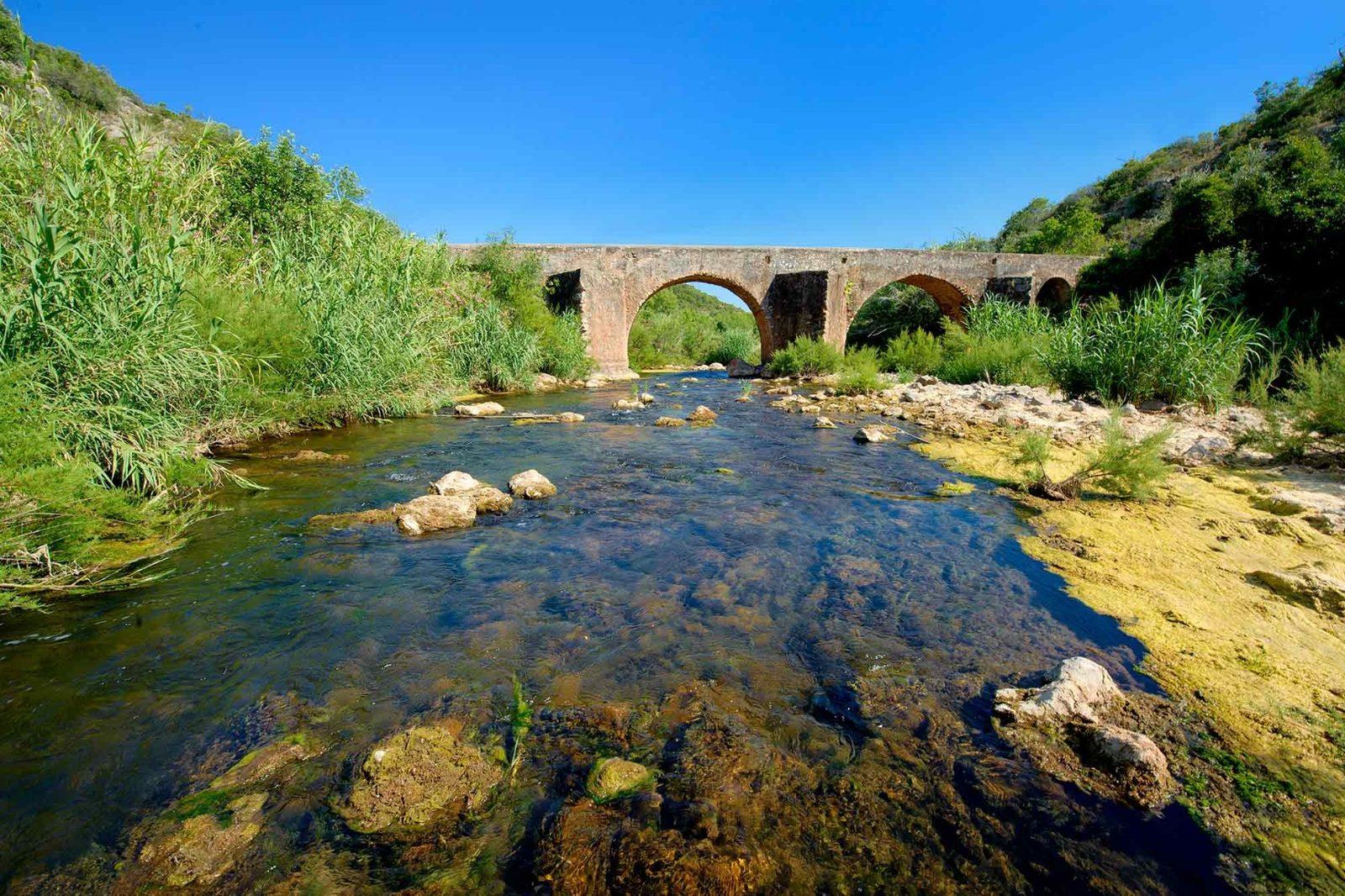
Medieval Roman-style bridge over the Ribeira de Quarteira, about 200 meters southeast of Castelo de Paderne. It has three perfect arches supported by two triangular prismatic piers. Built on Roman foundations of the ancient Via Lusitanorum, it was restored in 1771, a date inscribed on the central arch. It served the castle, which controlled both the river and the bridge — two essential routes between the interior and the Algarve coast. Near the bridge are the ruins of Moinho da Alfarrobeira and the old house and oven of the miller.

Albufeira

·Spring
Roman Ruins of MilreuHeritage

Roman Ruins of Milreu

Easy

One of the most important Roman sites in the Algarve, Milreu reveals a grand rustic villa from the 1st century with extraordinary polychrome mosaics and a temple dedicated to the worship of water, unique on the Iberian Peninsula. The ruins testify to over a thousand years of continuous occupation and showcase the sophistication of Roman life in this region. The site is impressive for its scale and state of preservation.

Faro

·All year