
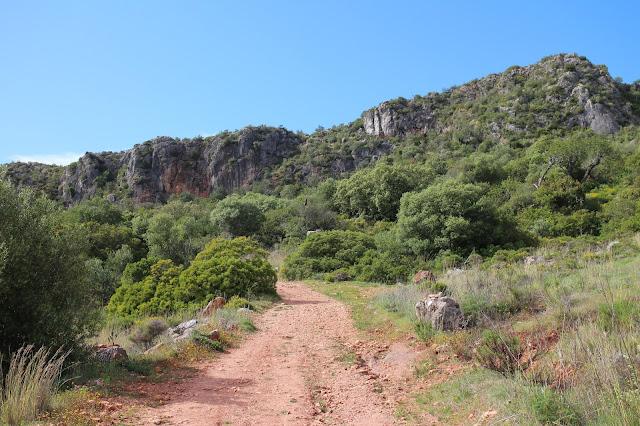
Rocha da Pena
Local tips
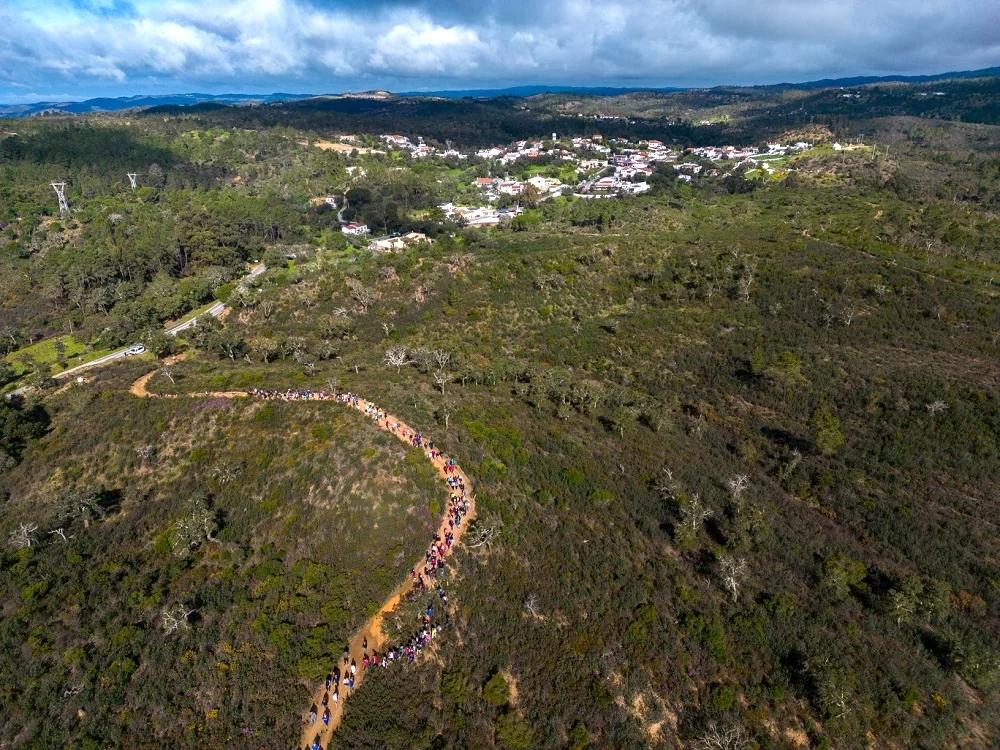
The council grades the walk easy (level II), but the first climb is stiff and the plateau is stony: wear walking shoes and carry water. Loulé council offers the leaflet and a GPX track on the Visit Loulé site.
Location
What's happening nearby
Upcoming events in the area

Where to eat nearby
Top restaurants in the area


Reviews
Discover more hidden treasures
More options near Loule
Alte
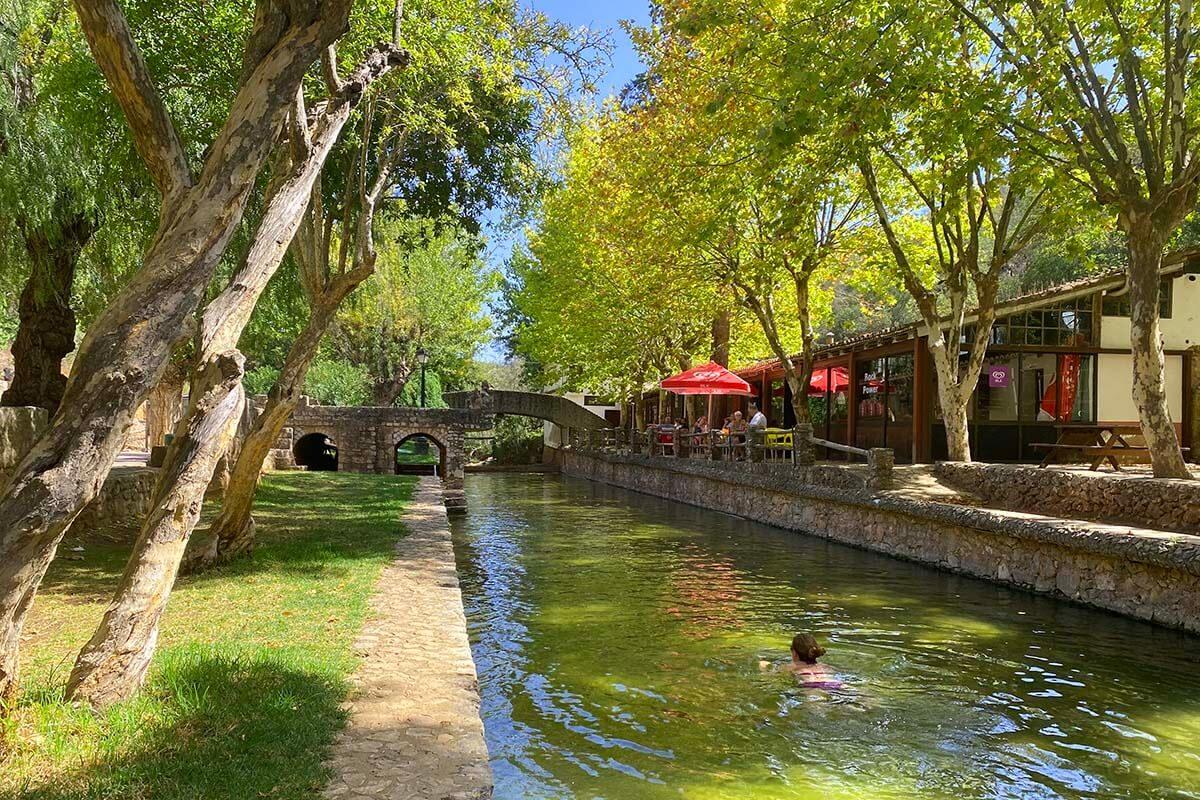
Alte is a village in the interior of Loulé that many rank among the prettiest and most traditional in Portugal. What defines it is its stream, which runs through the village from Fonte Grande down to Queda do Vigário, where the water drops 24 metres. Along the banks are vegetable plots, irrigation channels, weirs and old watermills, reminders of the days when wheat was ground here and esparto grass left to soak. The springs were also where the village washerwomen met. In the village itself, look for the chimneys, the flowers, the engravings on the walls and the cobbled streets. The parish church and the Pólo Museológico Cândido Guerreiro e Condes de Alte are worth a visit. Cândido Guerreiro, a poet born in Alte, is commemorated at Fonte Pequena. At Fonte Grande there is a natural swimming pool, picnic space and an open-air amphitheatre used for shows.
Loule
Ameixial
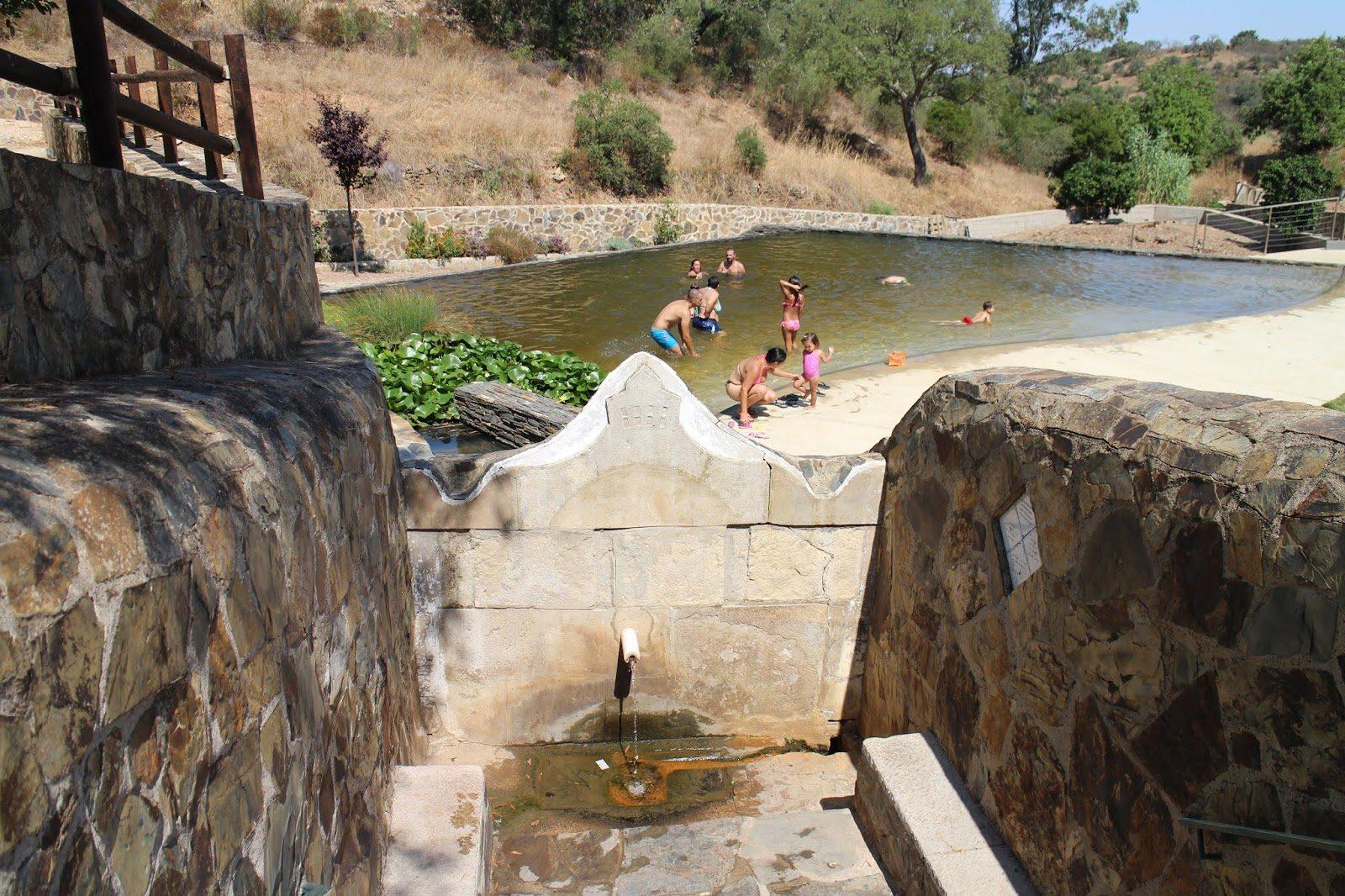
Ameixial is the northernmost village in Loulé municipality, up in the Serra do Caldeirão, with the EN2 road running through it. It is the seat of its parish and has the basics: a parish office, a cash machine, grocery shops and the church of Santo António. There is ancient heritage all around. The Pedra do Alagar dolmen is close to the village, and further on, by the Pé do Corso spring, stands the Beringel dolmen. The hamlet of Corte do Ouro still has round houses, and ruined windmills dot the hilltops. Walkers have three options. The PR1 is a very easy 4.6 km loop from the leisure park at the village entrance, dropping into the Vascãozinho valley and passing the motorhome park set up in a former cork factory. The PR2 heads for Corte de Ouro. And Link 6 of the Via Algarviana runs 21.9 km to near Barranco do Velho, through cork oak woods, rockrose scrub and strawberry trees. The village hosts the Walking Festival Ameixial.
Loule
Barranco do Velho
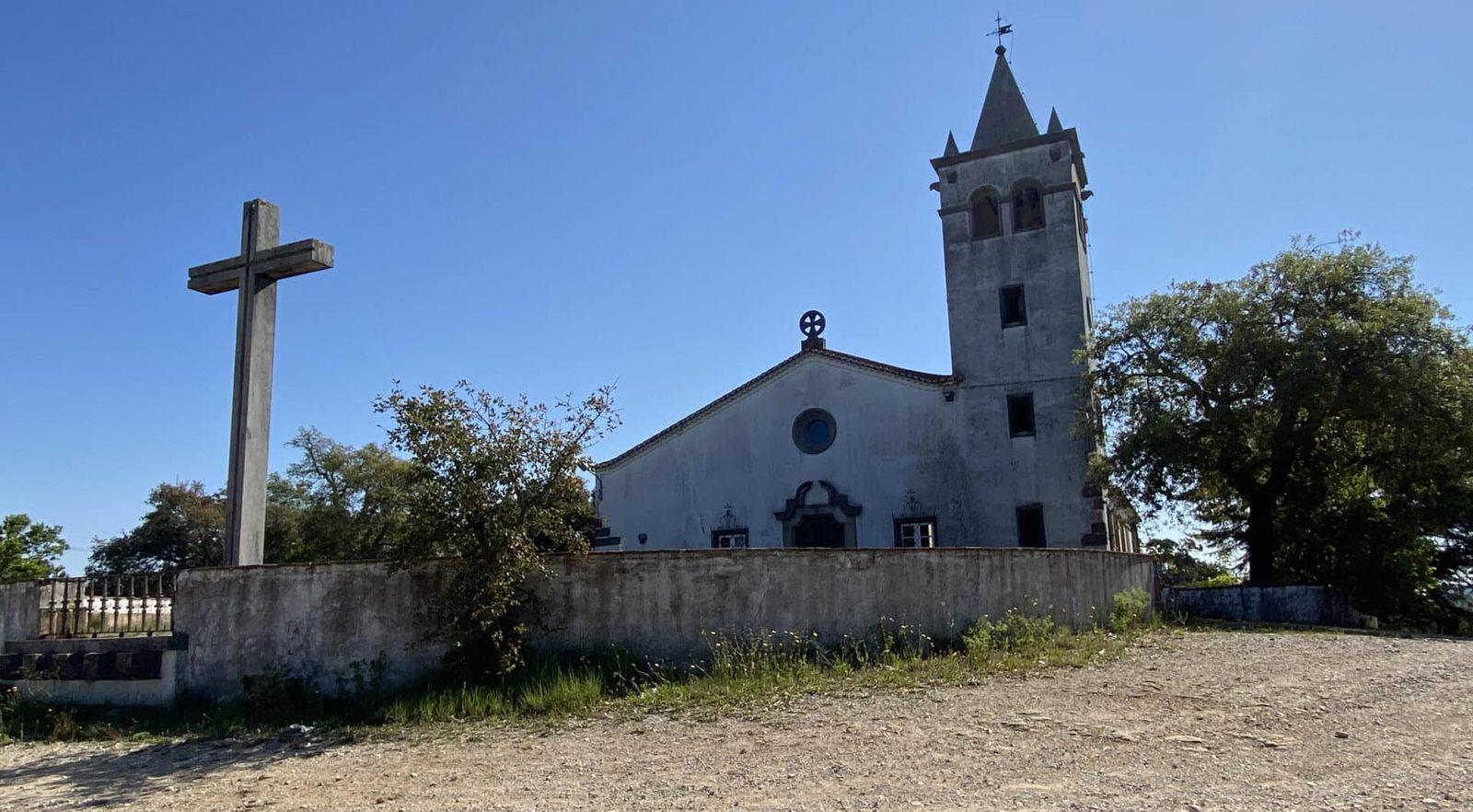
Barranco do Velho is a village in the Serra do Caldeirão, in the parish of Salir, where the EN2 road crosses the Via Algarviana. This is cork oak country: cork still carries great weight in the local economy, and the Serra do Caldeirão forest producers' association has its headquarters here. The church dates from 1944. The village also has the Casa dos Cantoneiros (the old roadmenders' house), the Fonte Férrea spring and several drinking fountains and old irrigation tanks. At the fountains people still use 'cocharros', cups made of cork. For walkers it is an unavoidable stop. Sector 5 of the Via Algarviana ends here (29.5 km from Cachopo, graded very hard) and Sector 6 begins, running 14 km to Salir and passing early on the Faranhão windmill, with views from the hills to the coast. Link 6, coming from Ameixial, joins the route about 2 km away. For a short outing, the PR17 circles the village in 5.5 km, almost always in the shade of cork oaks. The village has a restaurant, a craft shop and a medronho brandy distillery.
Loule
Cortelha
Cortelha is a village in the Serra do Caldeirão, in the parish of Salir, Loulé. It sits on the EN2 road a few kilometres north of Barranco do Velho. Cork is the main source of income for the people who live here and the emblem of these hills. Cork is also what makes the village known at Christmas. At Christmas the residents build a nativity scene of about 70 square metres in the Largo da Associação, using what the hills provide: cork, cane, moss, river stones, rockrose, lavender, strawberry tree and rye straw. It has a windmill and a watermill, and the offerings are local: honey, medronho brandy, almonds and carob. The tradition goes back to 2004, the year Cortelha won the competition for nativity scenes in Algarve villages. The nativity stays up until 6 January, and on the night of 24 December the village lights its Christmas bonfire, the Madeiro.
Loule