Algarve Atlas

Hidden Gems

15 hidden gems found

Suggest a hidden gem
AlteVillages

Alte

Easy

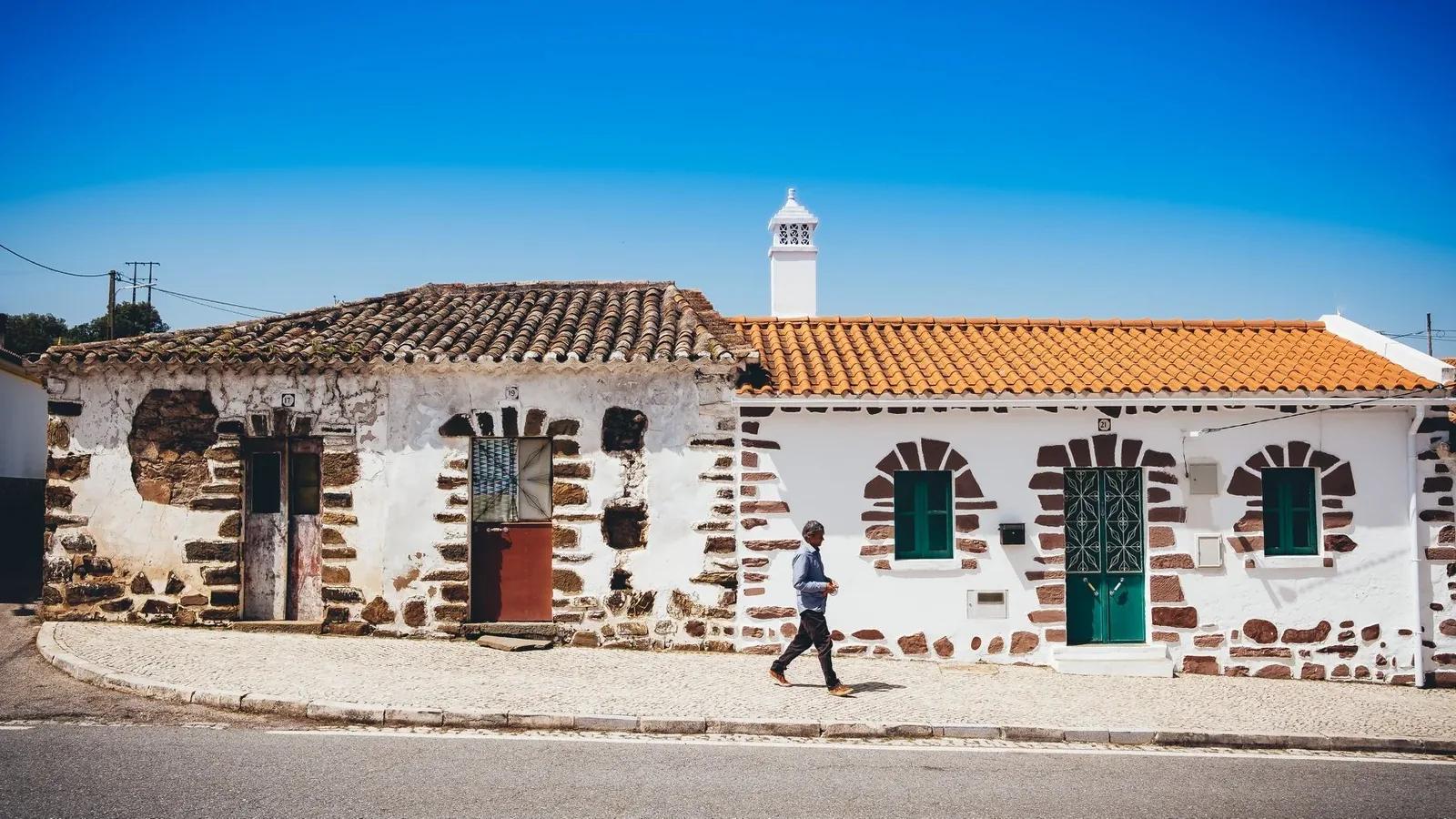
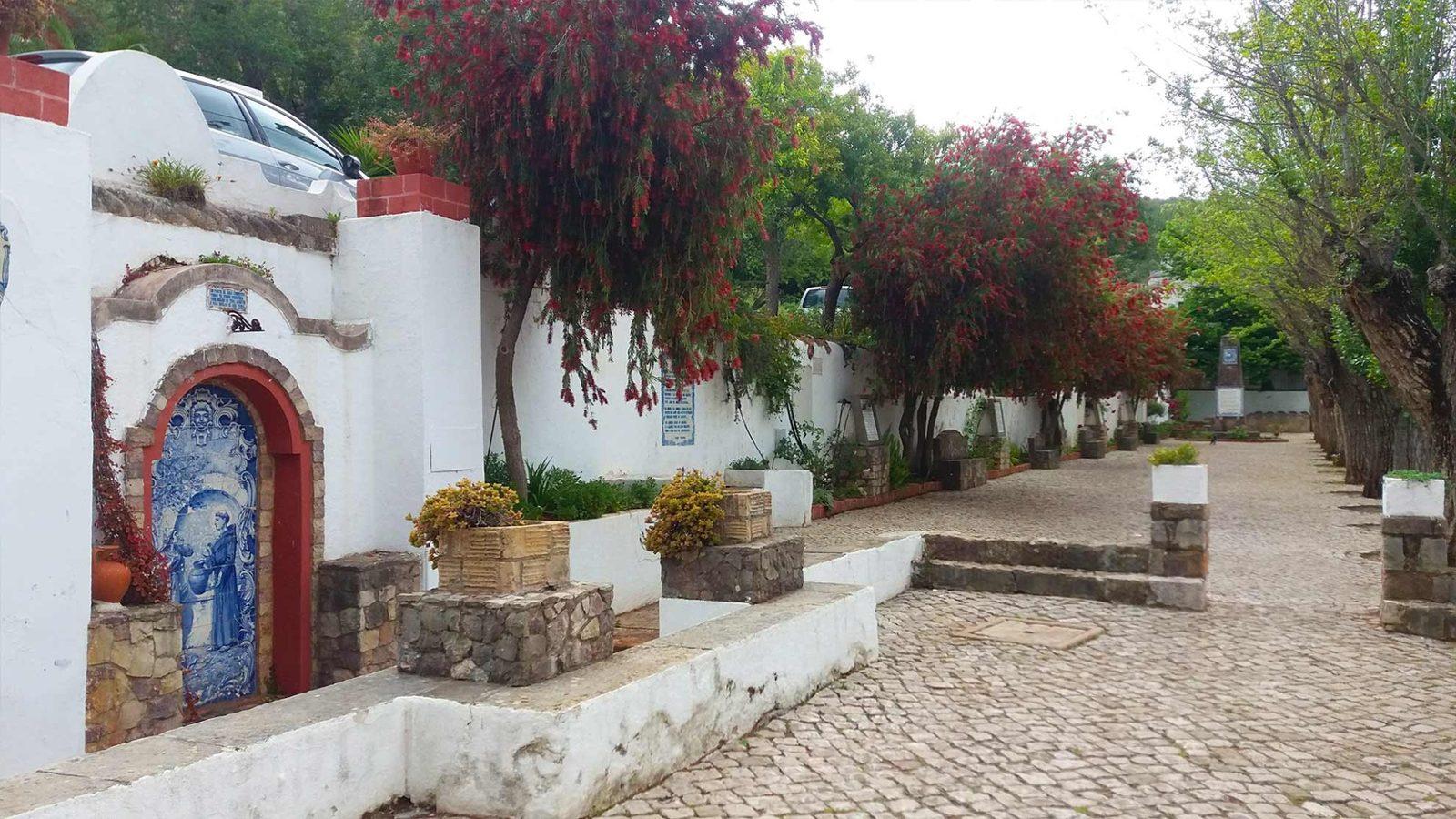
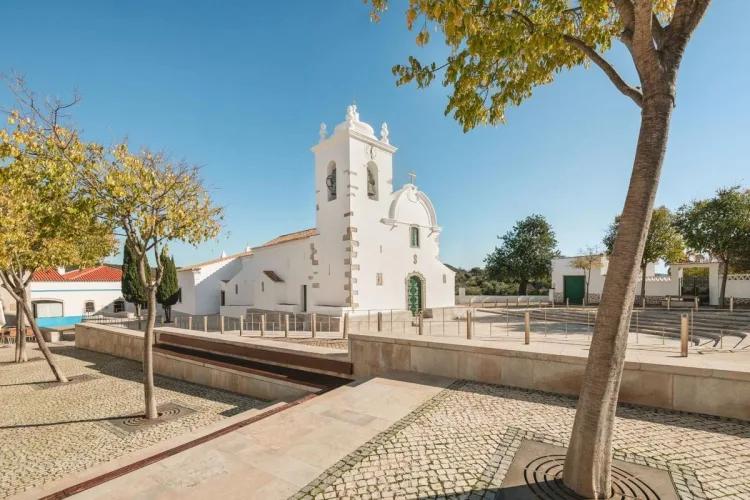
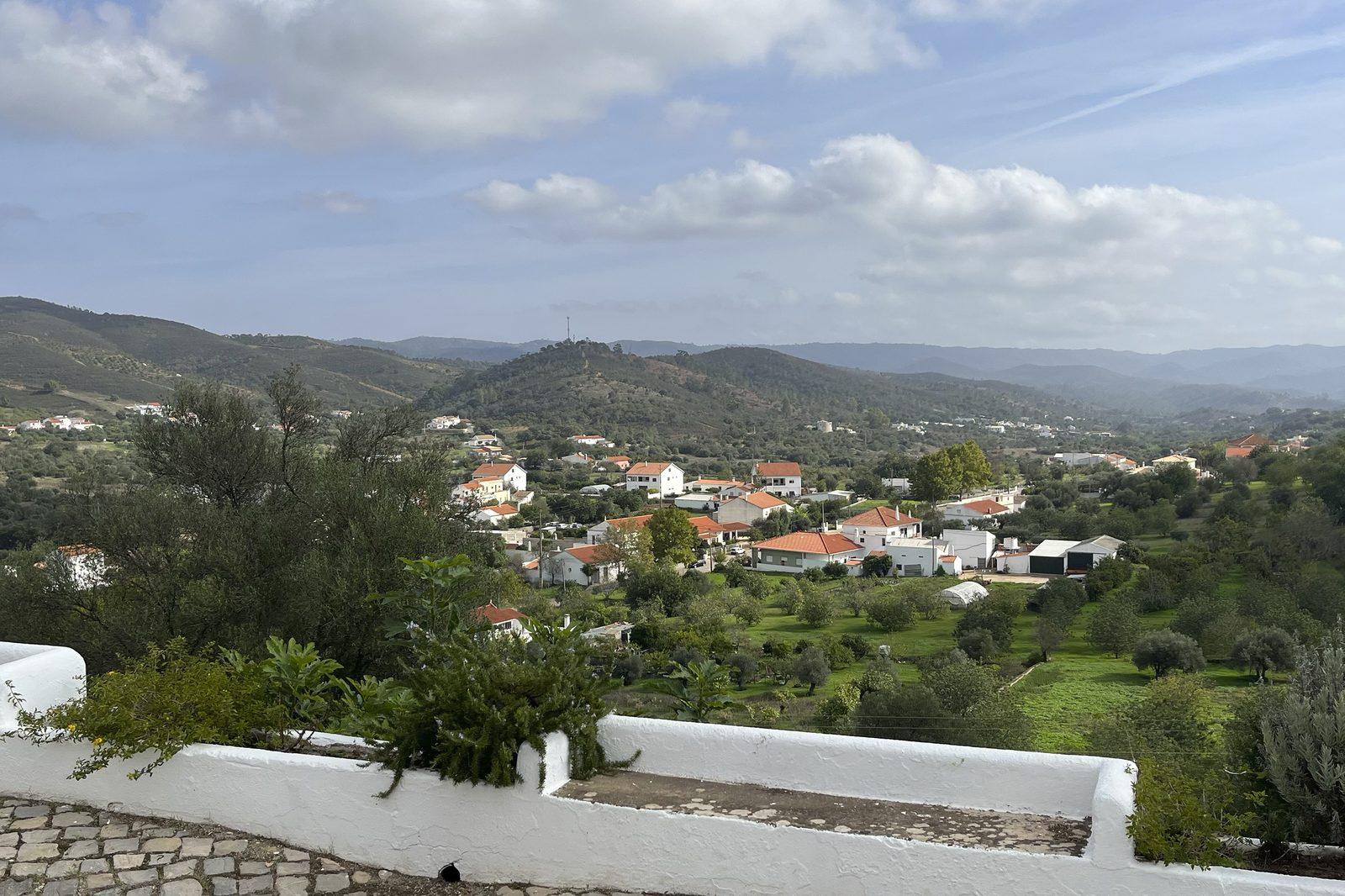
One of the most picturesque and calm villages in the Algarve interior, Alte preserves the essence of rural life with its whitewashed houses, ornate chimneys, and cobbled streets. The springs and fountains surrounding the village create centuries-old points of freshness and conviviality. Described by many as the most typical village in the Algarve, it is a place that seems frozen in time.

Loule

·Spring
AmeixialVillages

Ameixial

Easy

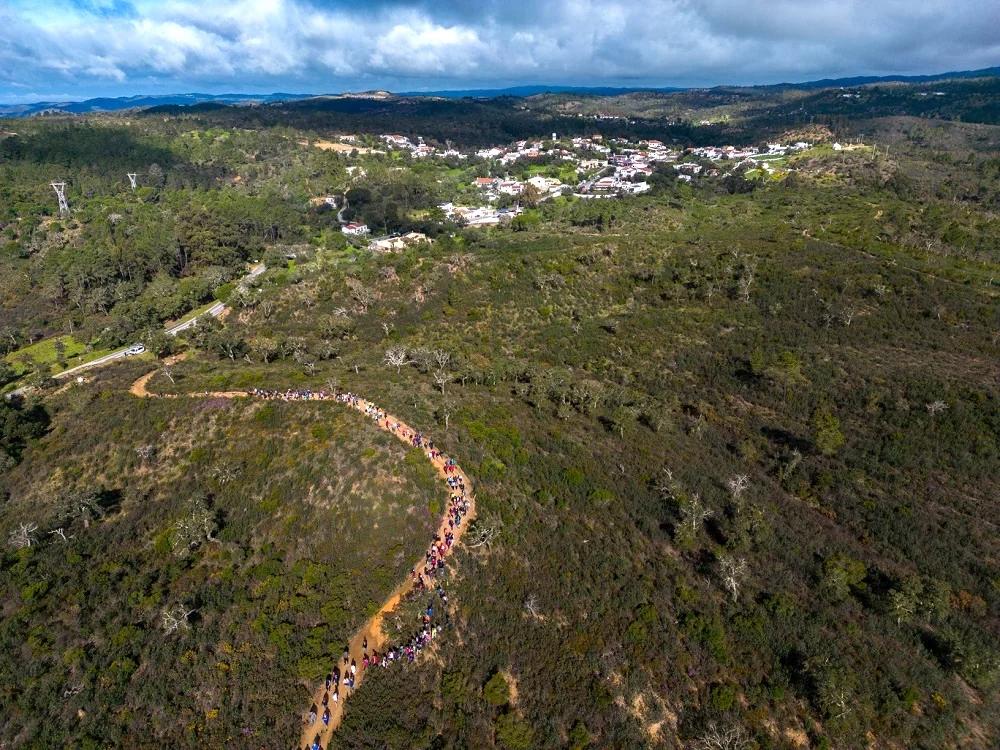
A mountain village in the Serra do Caldeirão, at the northern edge of the municipality of Loulé, bordering Alentejo (Almodôvar). The landscape is dominated by cork oaks, rockroses, gorse, and strawberry trees. The village is located on the historic National Road 2 (EN2), one of the longest roads in Europe, connecting Chaves to Faro. It features megalithic monuments such as the Pedra do Alagar and the Anta do Beringel. The Via Algarviana passes through the area, and the Connection 6 of the Via Algarviana starts at the village entrance.

Loule

·Spring
Barranco do VelhoVillages

Barranco do Velho

Easy

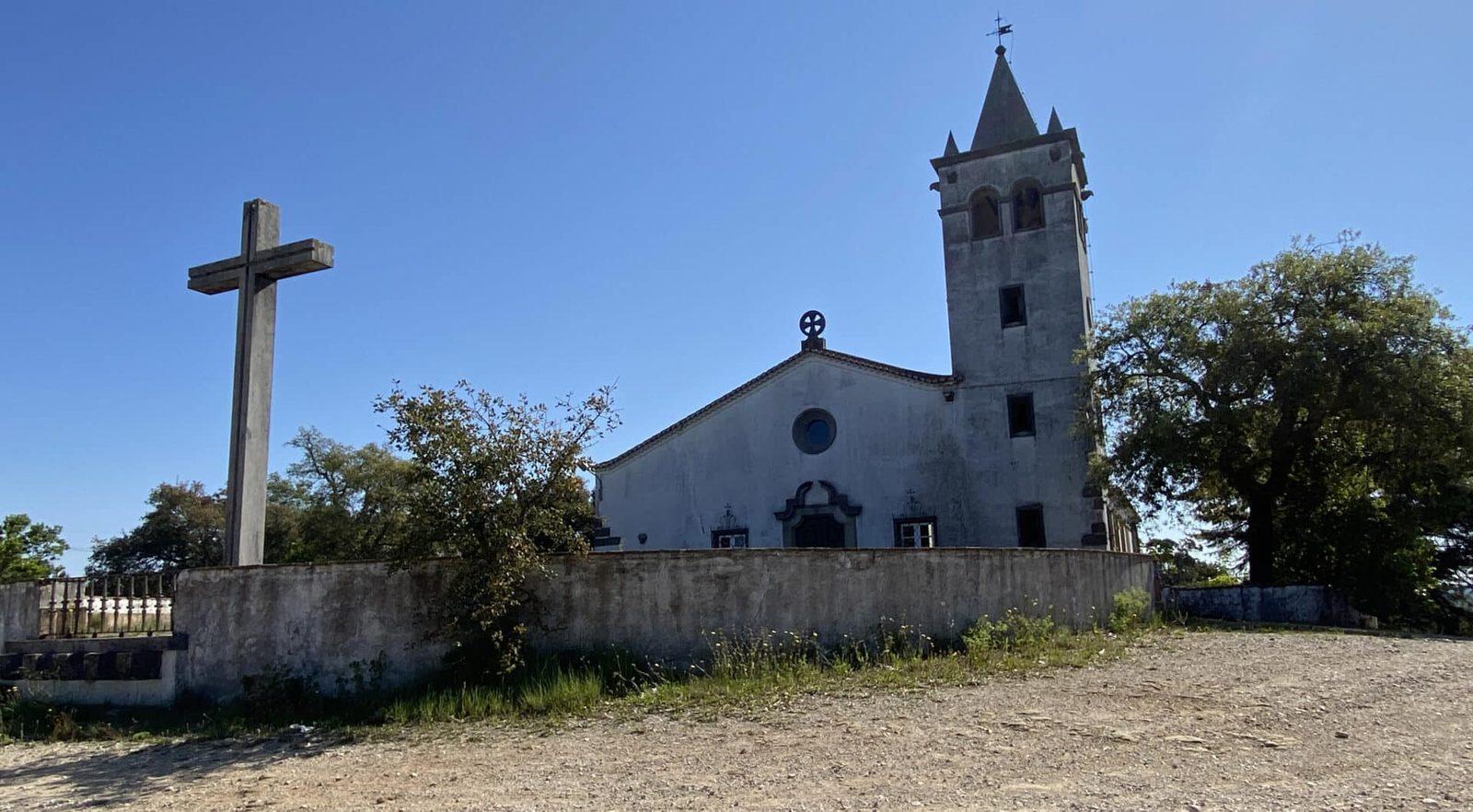
A small mountain village in the Serra do Caldeirão, near the border with Alentejo. Known for its century-old tradition of cork industry, with a landscape dominated by cork oaks, holm oaks, and strawberry trees. A rustic church built in 1944 on top of the hill offers panoramic views. The village is famous for its high-quality aguardente made from strawberry trees. Popular among cyclists — the climb from Barranco do Velho (3.1 km, category 4) is part of the Algarve Tour. The PR17 LLE trail (5.5 km, about 2 hours) traverses cork oak forests. It is the endpoint of Sector 5 and the beginning of Sector 6 of the Via Algarviana.

Loule

·Spring
BesteirosVillages

Besteiros

Easy

A small settlement in the parish of Ameixial, part of the network of routes in the interior of the Serra do Caldeirão. Surrounded by cork oaks, it is one of several traditional villages (along with Vermelhos, Revezes, Corte João Marques, and Corte de Ouro) that dot this sparsely populated mountainous landscape. Residents maintain goat and sheep herding, cork production, and the making of aguardente from strawberry trees. A database of micro-gems from the interior.

Loule

·Spring
CatraiaVillages

Catraia

Easy

A small locality in the Salir area, associated with 'Fonte da Catraia', a waypoint on the Via Algarviana. It is located in the transition zone between the barrocal and the mountains, in a landscape of limestone and schist with cork oaks and holm oaks. It is not a 'tourist attraction' in the classic sense — it is a hidden and curable fragment of the Algarve that has withstood the test of time. Rural villages that have changed little over decades, surrounded by dryland agriculture and Mediterranean scrub.

Loule

·Spring
CortelhaVillages

Cortelha

Easy

A mountain village in the Serra do Caldeirão with a deep connection to cork. Cork is the main source of income and the fundamental element of the village's famous cork nativity scene (a tradition since 2004, when Cortelha won the Algarve nativity scene contest). Schist houses, traditional architecture with whitewashed walls, a mill, and several water sources complete the scenery. Walking trails in the area lead through forests of strawberry trees and cork oak groves. Very interesting for those wanting to explore the mountains and the barrocal of the interior.

Loule

·All year
Fonte da BenemolaNature

Fonte da Benemola

Easy

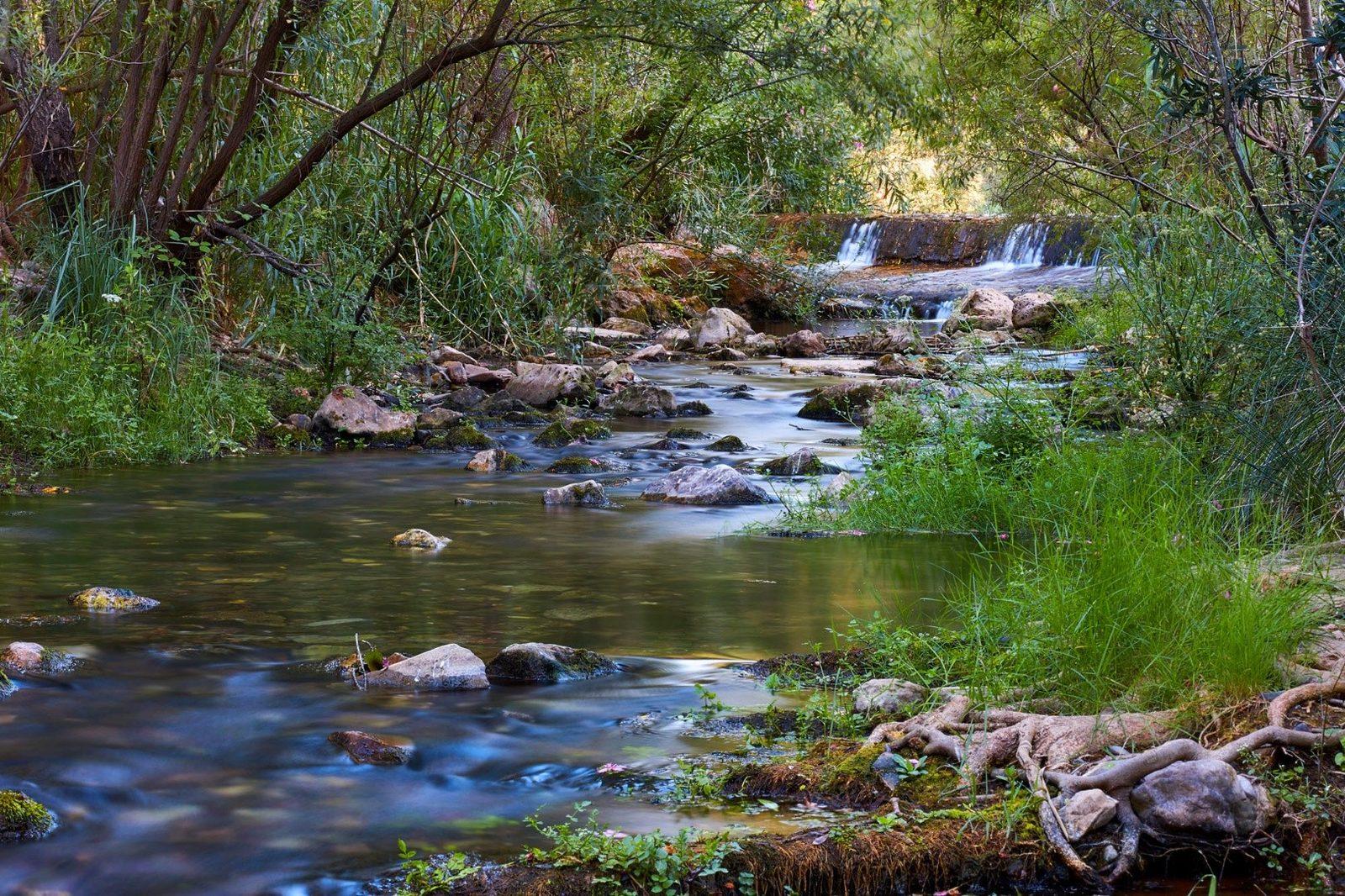
A protected area of great natural beauty between Querenca and Tor, where the Benemola stream creates a lush green corridor amidst the limestone landscape of the barrocal. The springs of crystal-clear water feed natural pools surrounded by oleanders, ash trees, and reeds. It is one of the last refuges for otters in the Algarve and an ecologically valuable riverside ecosystem.

Loule

·Spring
Fonte GrandeNature

Fonte Grande

Easy

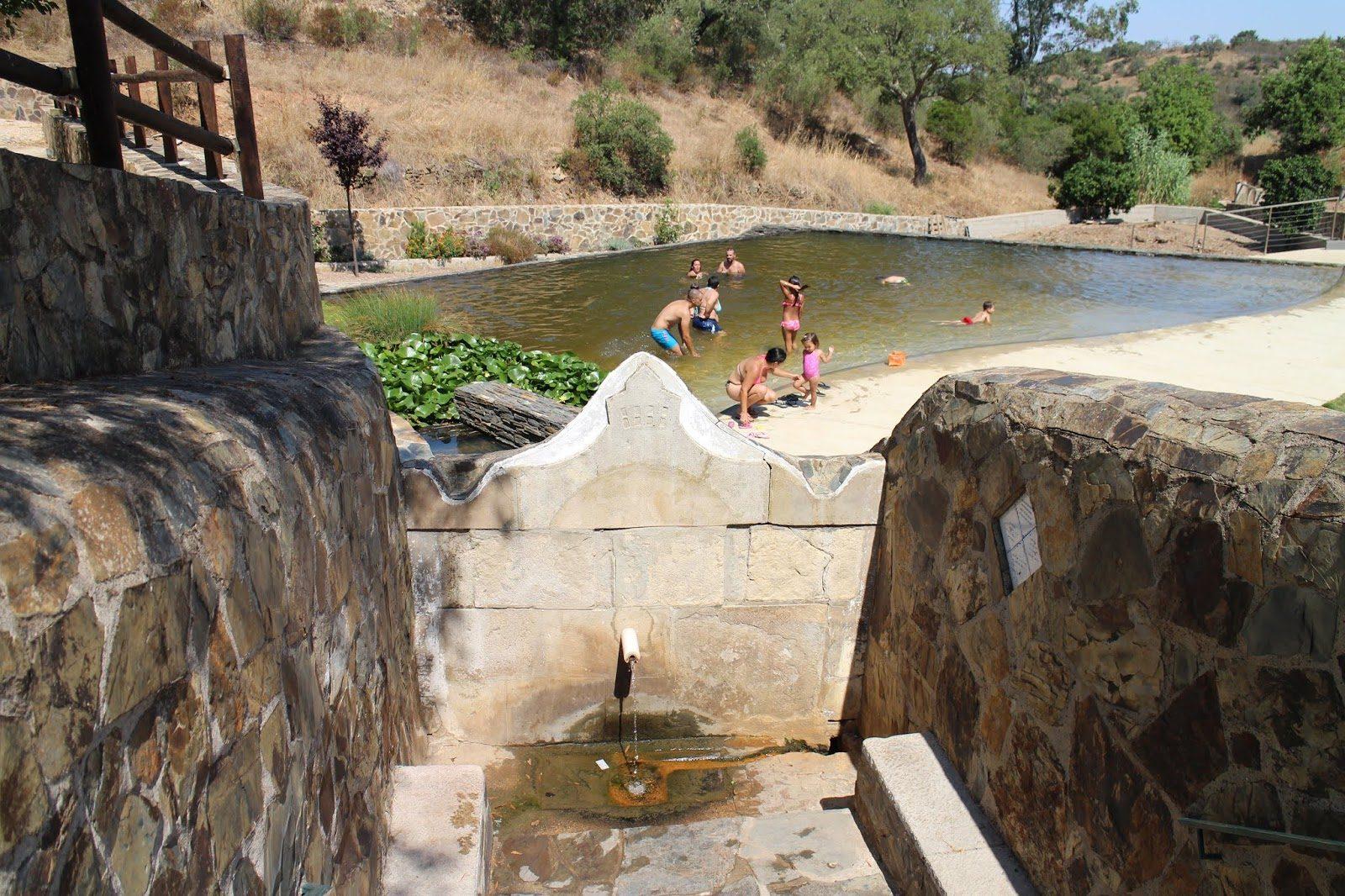
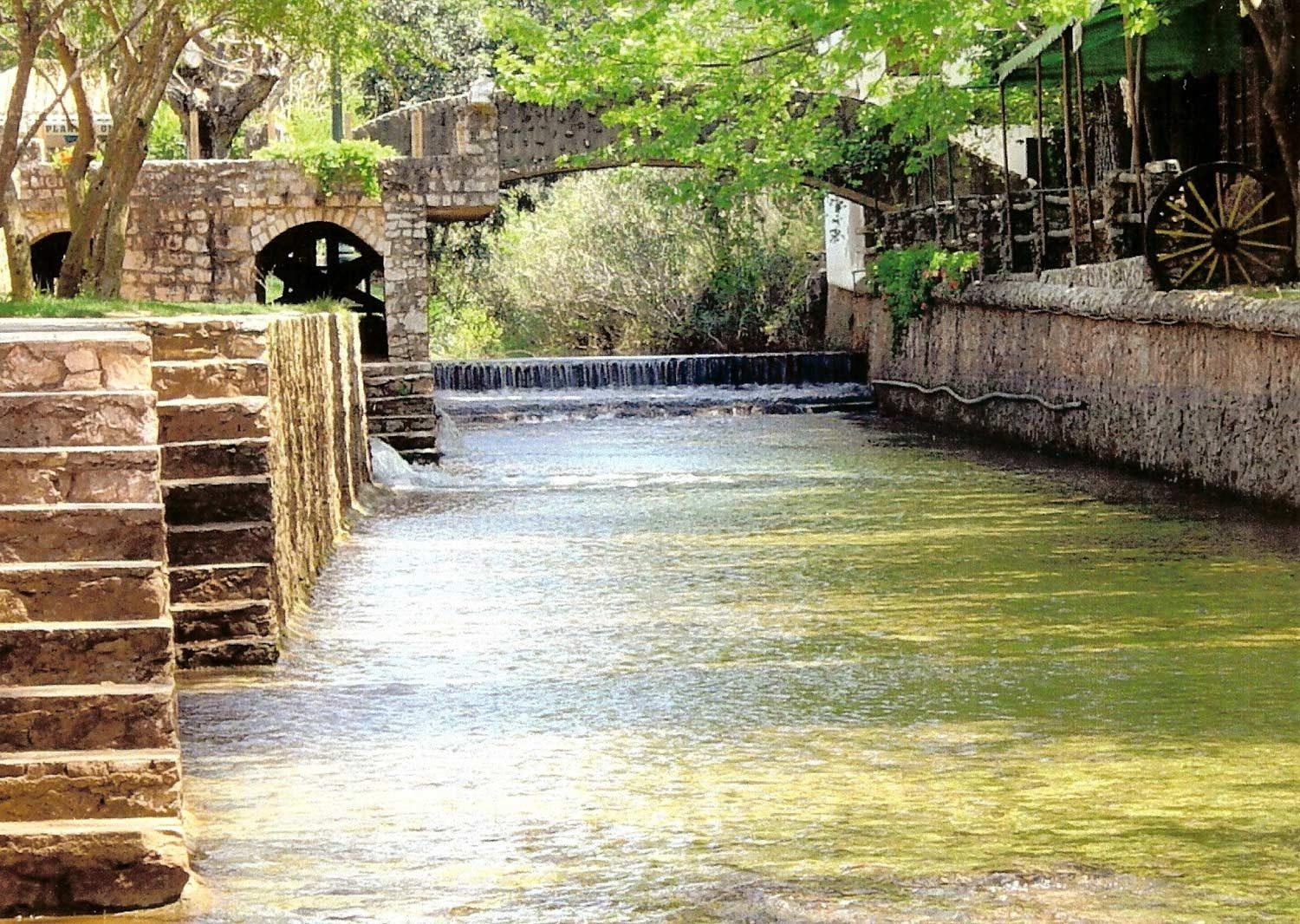
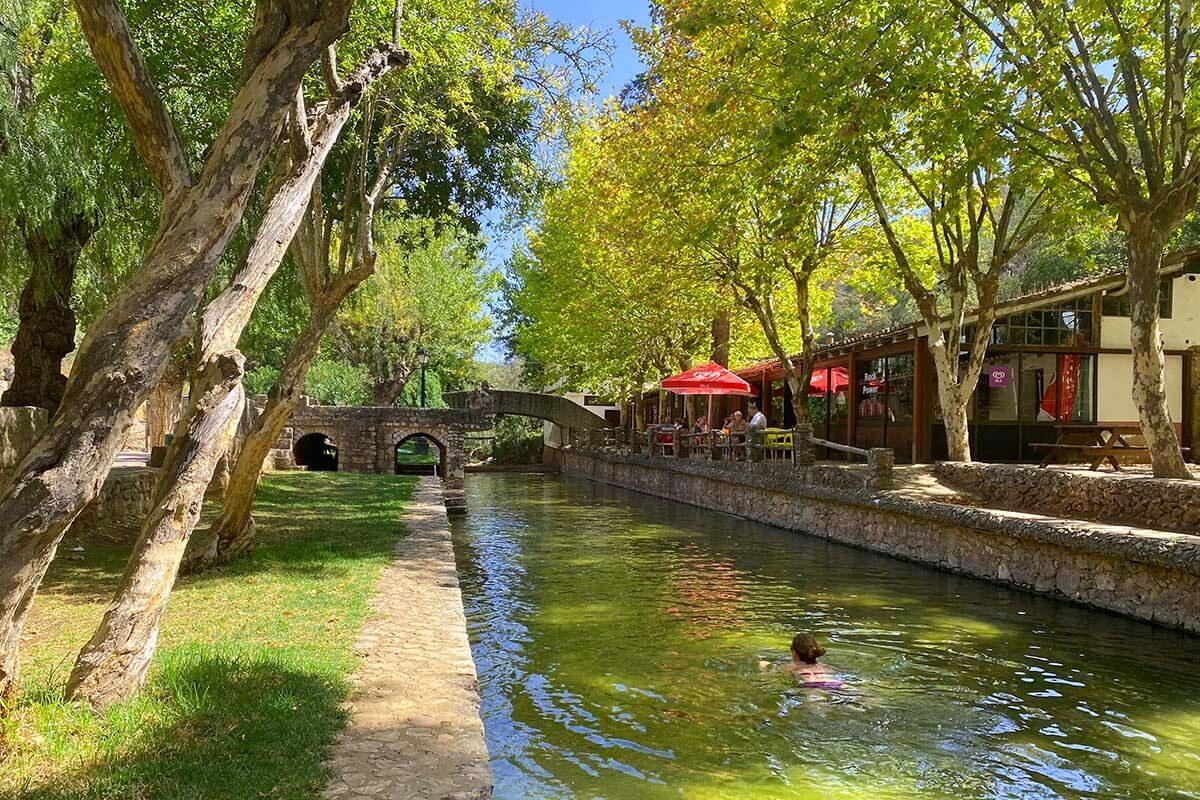
A historic spring near the village of Alte, Fonte Grande is a well-known meeting and cooling spot among locals. Crystal-clear water springs from the limestone rocks into a pool surrounded by centenary oleanders and refreshing shade. It is a perfect place for a picnic or simply to stop and enjoy the serenity of the barrocal.

Loule

·All year
Fonte PequenaNature

Fonte Pequena

Easy

A more intimate and secluded alternative to Fonte Grande, Fonte Pequena in Alte is a peaceful nook where water gently springs between rocks and vegetation. The atmosphere is more enclosed and shady, with a rustic charm reminiscent of the Algarve of yesteryear. It is one of the most typical and photogenic spots in the village.

Loule

·All year
Via Algarviana ConnectionsHiking Trails

Via Algarviana Connections

Difficult

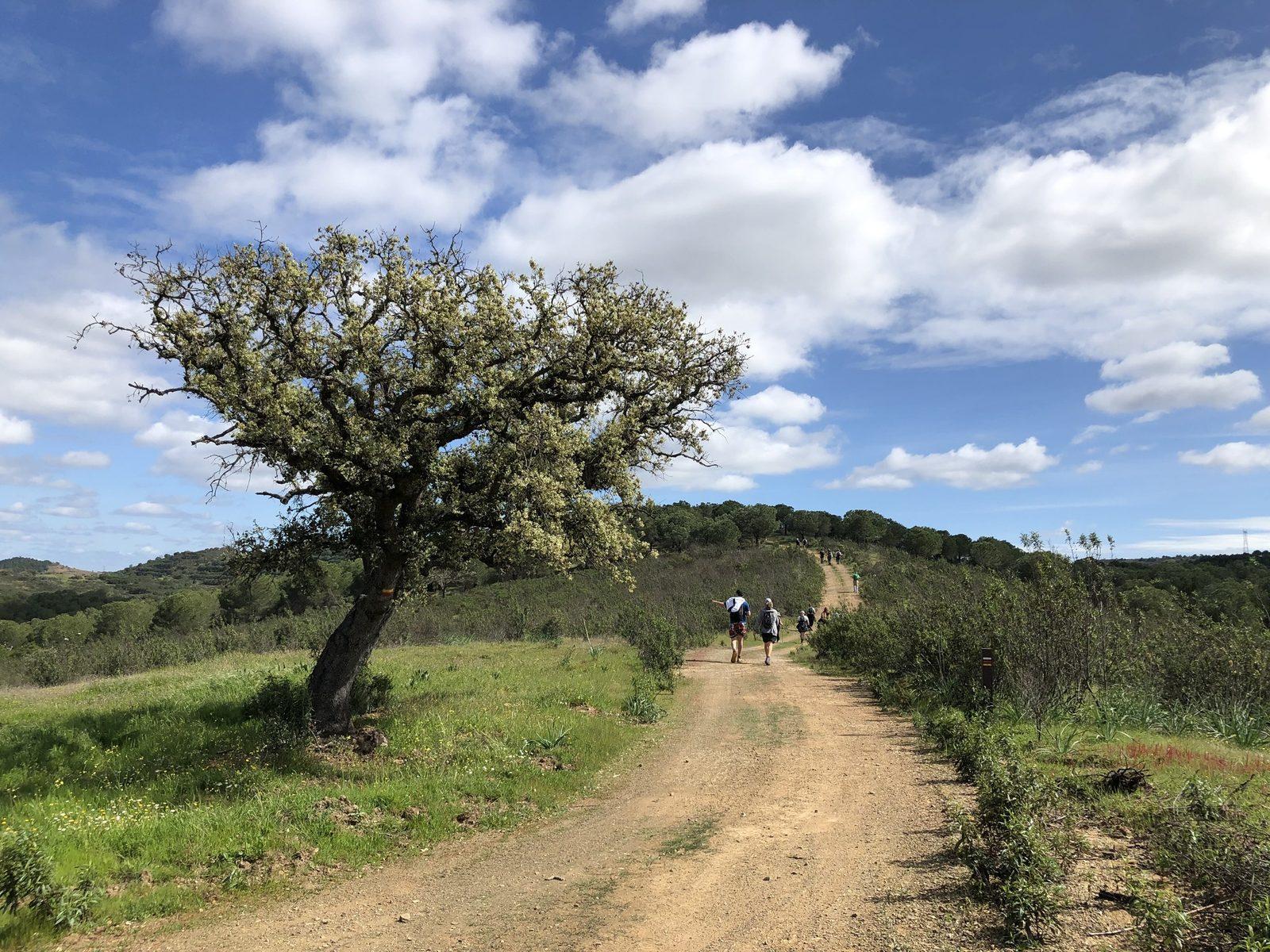
A network of connecting trails of the Via Algarviana (GR13), the great route of 300 km from Alcoutim to Cabo de Sao Vicente, which connects villages and less obvious inland areas to the main route. The most interesting trails include Connection 6 (Ameixial to Barranco do Velho, 21.9 km) through the heart of the Serra do Caldeirao; Sector 5 (Cachopo to Barranco do Velho, 29.5 km) through the rougher mountains; and Connection 5 (Marmelete to Aljezur, 18.6 km) with views over Aljezur and Foia. These trails lead to villages like Ameixial, Cachopo, Furnazinhas, and Aljezur via less traveled paths.

Loule

·Spring
Queda do VigárioNature

Queda do Vigário

Easy

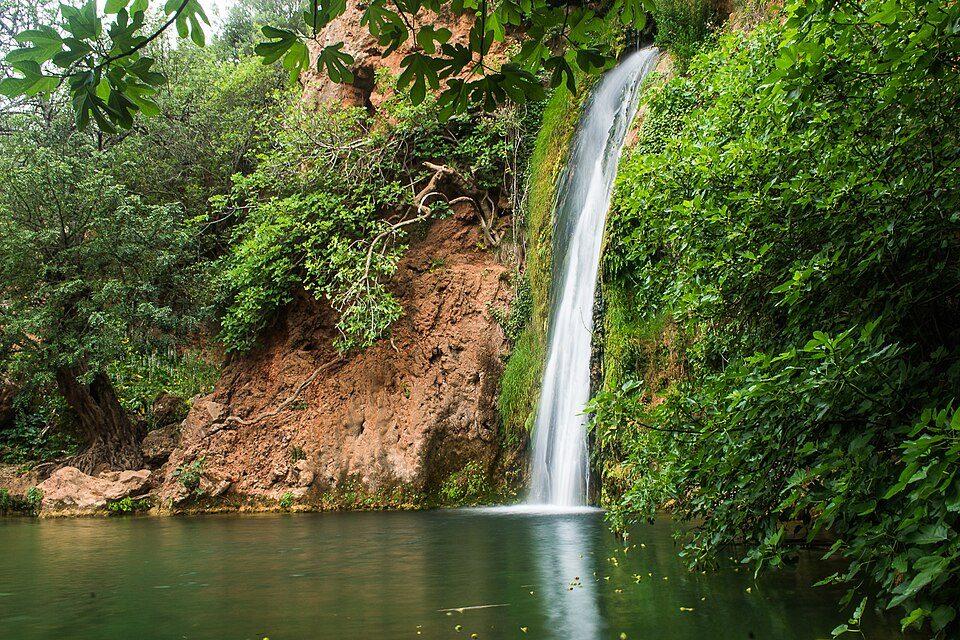
The waterfall of Alte, known as Queda do Vigario, is a charming natural spot off the beach circuit. Water cascades over a rock formation into a small pond surrounded by vegetation. When the flow is generous, the sound and visual spectacle is surprising for those who do not expect to find waterfalls in the Algarve.

Loule

·Spring
QuerençaVillages

Querença

Easy

A typical village of the Algarve barrocal, white, authentic, and closely linked to the transitional landscape between the coast and the mountains. The 16th-century church, the fountain, and the whitewashed houses create a scene of rural serenity. The surrounding fields of carob and almond trees have a discreet beauty, especially in spring when everything blooms.

Loule

·Spring
Rocha da PenaNature

Rocha da Pena

Moderate

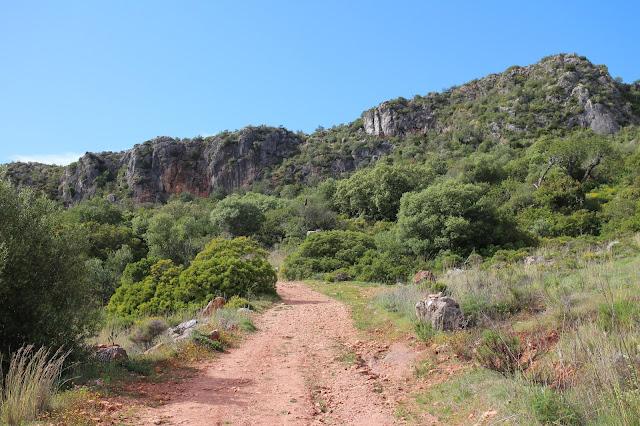
A protected area with strong ecological and geological interest, Rocha da Pena is an imposing limestone formation rising to 479 meters in the Algarve barrocal. Classified as a Site of the Natura 2000 Network, it hosts extraordinary biodiversity, including endemic species of flora and fauna. The rocky plateau offers 360-degree views over the barrocal and the mountains, with traces of human occupation dating back to the Bronze Age.

Loule

·Spring
SalirVillages

Salir

Easy

An inland village in the Algarve that still preserves much of the rural and authentic Algarve. The ruins of the Moorish castle, the cobbled streets, and the views over the barrocal give it a unique character and a genuinely tranquil atmosphere. Salir is a gateway to the trails of the mountains and the barrocal, and a great starting point for exploring the interior.

Loule

·Spring
TorVillages

Tor

Easy

A barrocal village with its own trail and a rural landscape of discreet and authentic beauty. The whitewashed houses, dry stone walls, and fields dotted with fig and carob trees create a typical mosaic of the Algarve interior. Tor is a good starting point for walks in the barrocal and for discovering the centuries-old relationship between humans and this landscape.

Loule

·Spring